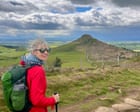
Women planning solo autumn walks across the UK and Europe face a genuine tension: the profound appeal of solitude on a country trail versus legitimate safety concerns that can make striking out alone feel daunting rather than liberating. Travel experts and experienced hikers argue this tension need not prevent women from enjoying independent walking adventures. The key lies in practical preparation, route selection, and mindset.
Autumn presents an ideal season for solo walking expeditions. Cooler temperatures reduce physical strain during longer hikes, while shorter daylight hours encourage earlier starts and more predictable schedules. The UK and Continental Europe offer thousands of established trails suited to solo female walkers, from gentle lowland paths to moderate upland routes.
Safety planning distinguishes a rewarding solo walk from an anxiety-ridden ordeal. Experienced solo hikers recommend sharing detailed itineraries with trusted friends or family, including expected return times and specific trail names. Digital tools matter here. GPS apps like AllTrails or Komoot allow real-time location sharing and provide offline maps for areas with poor phone signal. Carrying a fully charged portable battery pack ensures devices stay powered throughout the day.
Route selection shapes the entire experience. Women should prioritize well-maintained, clearly marked trails with regular foot traffic rather than remote wilderness paths. Popular routes near villages or towns offer natural checkpoints and access to support if needed. The UK's network of National Trails, including sections of the South West Coast Path, Pennine Way, and Scottish Great Glen Way, combine scenic beauty with established infrastructure and regular walker presence.
European alternatives deserve equal consideration. The French Alps near Chamonix offer spectacular day-walk options with mountain hut infrastructure. Switzerland's marked hiking routes, particularly around the Bernese Oberland, feature exceptional trail maintenance and numerous cafes and rest stops. The Dolomites in Italy provide dramatic scenery with villages scattered throughout walking regions. Germany's Black Forest contains over 14,000 kilometers of designated trails, many accommodating day walkers.
Physical preparation matters considerably. Training walks at progressively longer distances build both fitness and confidence. Solo walkers benefit from understanding their own pace, energy levels, and navigation abilities before attempting unfamiliar terrain. Timing walks to finish well before darkness, even during autumn, prevents the psychological pressure of racing daylight.
Mental preparation equals physical readiness. Women who normalize solo walking reject the narrative that being alone outdoors inherently invites danger. Statistical evidence shows serious incidents remain exceptionally rare on established walking routes. Replacing catastrophic "what if" thinking with practical contingency planning reduces anxiety significantly.
Practical gear enhances both safety and enjoyment. Whistle, first aid kit, weather-appropriate clothing, and emergency snacks belong in every day pack. A simple PLB (Personal Locator Beacon) or satellite communicator like Garmin InReach provides genuine emergency communication in remote areas, offering peace of mind without constant phone dependency.
Solo autumn walking delivers what experienced hikers describe as transformative solitude. The combination of personal achievement, natural beauty, and uninterrupted time creates genuine restoration. For women tired of constant social demands, a solo walk across UK moorland or European mountain terrain offers reclamation of agency and enjoyment of one's own company on one's own terms.