# Dominica Rewrites the Caribbean Playbook With Mountain Peaks Over Sand
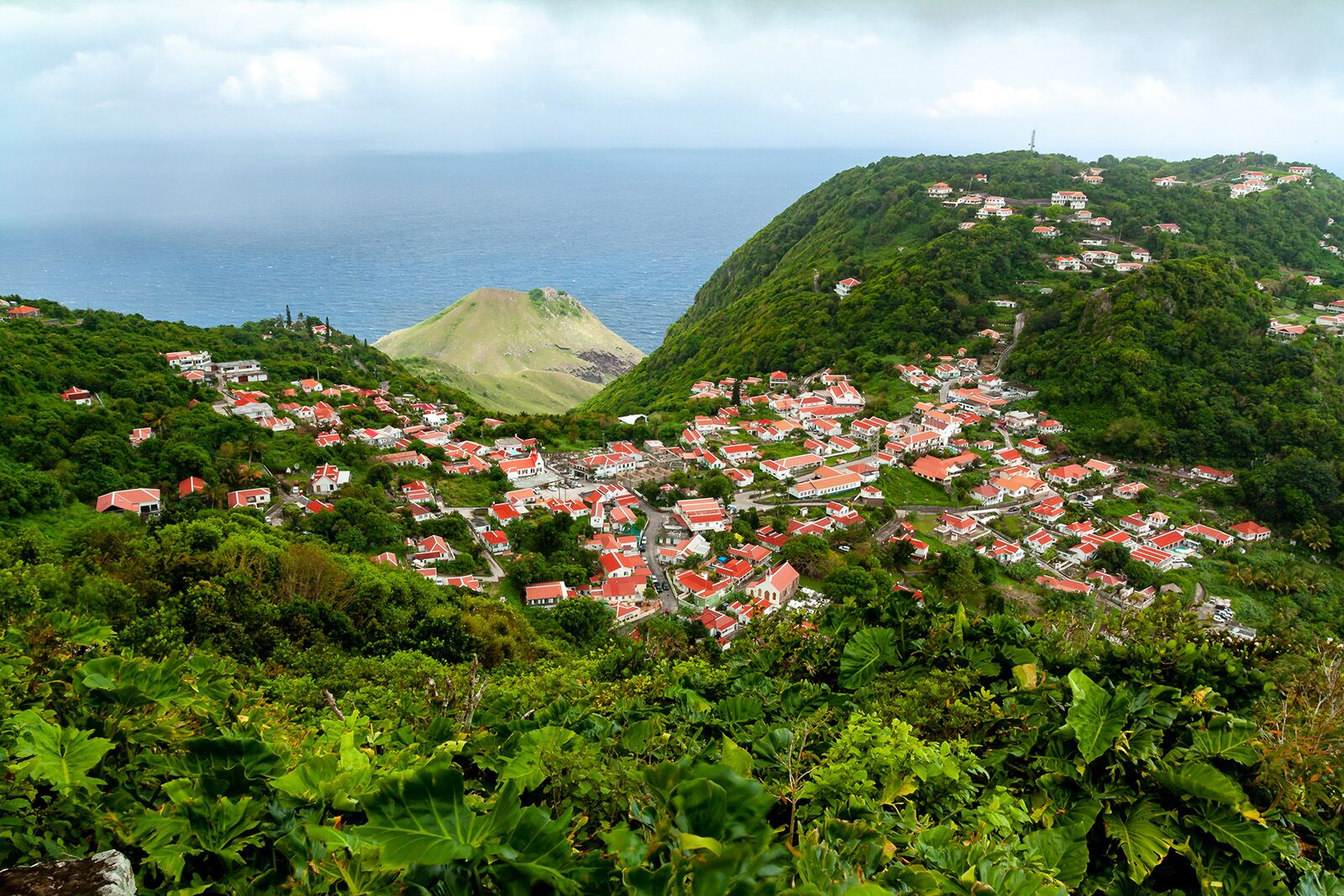
Most visitors arrive at Caribbean destinations expecting turquoise water and white sand. Dominica flips that script entirely. This volcanic island, nestled between Guadeloupe and Martinique in the Lesser Antilles, prioritizes rainforest canopy and dramatic peaks over conventional beach lounging. The result attracts travelers hungry for adventure rather than sunbathing.
Dominica's landscape tells a geological story. The island sits atop volcanic activity, producing steep terrain, waterfalls, and dense tropical vegetation rather than extensive coastlines. Morne Trois Pitons National Park dominates the island's interior, home to the Boiling Lake, a volcanic crater filled with geothermal water reachable only by serious hiking. The trek takes roughly seven hours round trip through rainforest thick with native ferns and endemic bird species. Trafalgar Falls, another inland treasure, features twin cascades plunging into emerald pools ideal for swimming without salt water.
The hiking culture here runs deep. Trails crisscross the island at varying difficulty levels. The Syndicate Nature Trail offers gentler walks through old-growth forest. The Freshwater Lake Trail leads to panoramic views overlooking the Atlantic. Experienced trekkers tackle Morne Diablotins, Dominica's highest peak at 4,747 feet, accessed via dusty switchbacks and cloud-wrapped summits. Local operators like Dominica Hiking and Nature Tours guide visitors through these routes, charging between $60 and $150 per person depending on duration and difficulty.
Scuba diving fills the gap for water-focused travelers. The island's underwater topography mirrors its terrestrial drama. Scott's Head Marine Park protects coral reefs and underwater pinnacles. Underwater Dominica and other dive operators offer certification courses and guided dives starting around $75 per tank. Whale watching season runs November through March, when sperm whales migrate through these waters.
The shift away from beach dependency affects accommodation choices. Jungle lodges and eco-resorts dominate the market rather than beachfront all-inclusives. Pagua Bay House Oceanfront Cabins blends nature immersion with modest comfort. Rosalie Bay Resort sits on volcanic black sand, rare in the Caribbean, with lava rock formations defining the shoreline. Prices run considerably lower than neighboring islands like St. Lucia or Barbados. A night at mid-range jungle accommodations costs $80 to $150 compared to $200 to $300 at traditional beach resorts elsewhere.
Getting to Dominica requires patience. No direct flights from North America exist. Visitors typically connect through hubs like Barbados or Puerto Rico using carriers like Caribbean Airlines or LIAT. The lack of convenient air access keeps cruise ships and mass tourism away, preserving both the environment and the quiet atmosphere that define the island's appeal.
Climate considerations matter. Hurricane season peaks June through November, though Dominica sits south of the main hurricane belt. Rainy season brings afternoon showers that actually enhance waterfall flows and keep trails lush. Traveling during these shoulder months means lower prices and smaller crowds.
Dominica attracts a different traveler. Mountain boots replace flip-flops. Trail maps substitute for beach clubs. The island rewards those seeking immersion in tropical wilderness over passive resort relaxation. For hikers, naturalists, and divers craving authentic Caribbean experience without the commercialized beach resort experience, Dominica delivers something genuinely distinct in a region increasingly defined by sameness.