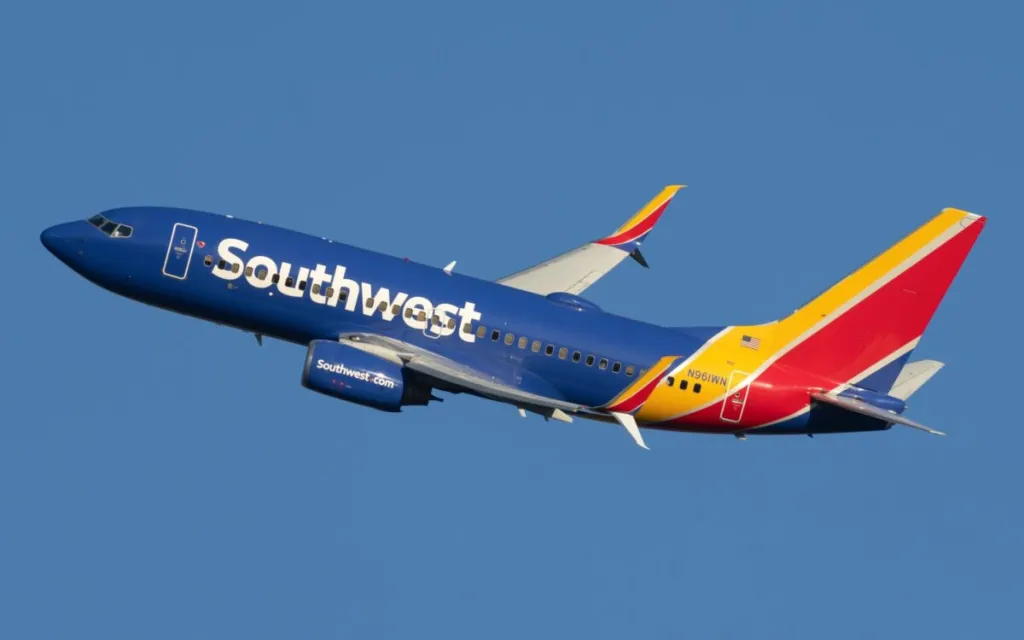
Southwest Airlines is fundamentally reshaping its brand positioning to compete directly for affluent travelers who traditionally bypass the carrier for legacy competitors. The Dallas-based airline plans to launch premium lounges and a redesigned credit card product in 2025, marking its most aggressive push into the high-spend segment in company history.
The lounge expansion represents a dramatic departure from Southwest's no-frills heritage. For decades, the airline built its identity on unreserved seating, two free checked bags, and transparent pricing. Now it wants flyers earning six figures to see Rapid Rewards, its loyalty program, as aspirational rather than budget-focused.
This strategy directly challenges United Airlines, American Airlines, and Delta Air Lines, which dominate premium cabin revenue and lounge networks. Southwest's new lounges will offer amenities expected in the upper echelon of air travel. Food and beverage service, shower facilities, and premium workspaces will compete with United Club locations and American's Admirals Club offerings. The exact number of lounges and their locations haven't been announced, but the rollout timing suggests major hubs like Dallas-Fort Worth, Denver, and Las Vegas will receive priority.
The credit card evolution equally matters. Southwest's existing card, managed through the Chase partnership, caters to budget-conscious travelers seeking bonus miles and checked bag benefits. The new premium tier will target household incomes above $150,000, offering higher annual fees, elevated sign-up bonuses, and exclusive perks. Industry analysts expect annual fees between $150 and $300, pricing comparable to Chase Sapphire Reserve or American Express Platinum offerings.
This expansion addresses a real vulnerability. Southwest carries leisure travelers effectively but loses business travelers on premium routes. A Chicago executive flying weekly to New York typically chooses American or United because both offer superior lounge access and premium cabin comfort. Southwest's point-to-point network and secondary airport focus also limited premium traffic historically. Adding lounges and premium credit products removes those barriers.
The 2025 launch timing aligns with broader industry trends. Premium cabin capacity remains tight post-pandemic. Legacy carriers have raised first-class and business-class prices substantially. Business travelers show willingness to pay higher fares for reliability and comfort. Southwest sees opportunity to capture price-sensitive premium passengers who hesitate at American's and United's premium pricing but would accept Southwest's positioned-as-value alternative if airport lounge access existed.
Revenue implications run deep. A single premium credit cardholder generates $2,000 to $4,000 annually in fee revenue alone. Multiply that across a targeted customer base, and Southwest unlocks recurring revenue streams independent of ticket sales. Lounge operations cost money but drive incremental premium ticket bookings worth thousands per customer annually.
Challenges remain. Southwest's operational model differs fundamentally from legacy carriers. No reserved seating complicates premium service expectations. Fleet composition, primarily Boeing 737 aircraft, limits lie-flat premium cabin options. Existing customers accustomed to Southwest's egalitarian approach may resist premium tiers.
The lounge and credit card launches represent Southwest's bet that premium travel demand extends beyond legacy carriers. Success requires execution excellence. Premium customers punish mediocrity. Southwest must deliver lounge experiences matching or exceeding competitor offerings while maintaining the reliability that built its brand. The airline stakes significant capital on proving that budget-carrier DNA and premium aspirations can coexist.