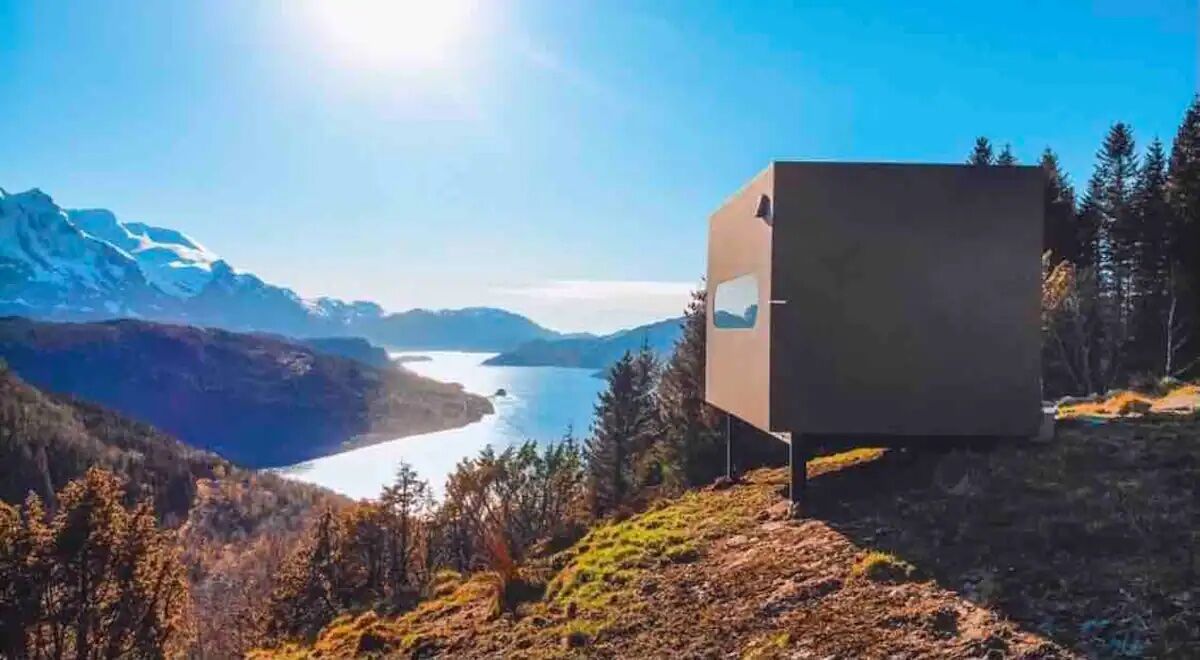
# Remote Off-Grid Airbnbs Offer Digital Detox for Travelers Seeking Solitude
The allure of genuine disconnection drives growing demand for off-grid Airbnb rentals across North America and Europe. Travelers increasingly book secluded properties that eliminate cell service, wifi, and power grids, trading modern convenience for silence, nature, and authentic solitude.
This trend reflects a broader shift in vacation priorities. Post-pandemic travel patterns show that remote workers and burned-out professionals now prioritize mental restoration over destination tourism. Rather than adding another European city to their passport, guests invest in stays at properties where the primary amenity is the absence of notifications.
Off-grid Airbnbs operate through alternative power systems. Solar panels, propane generators, rainwater collection, and composting toilets replace conventional infrastructure. Hosts market these properties as "digital detox destinations" or "technology-free retreats," commanding premium rates despite stripped-down amenities. A week at a remote cabin in Colorado or British Columbia typically costs $150-400 per night, comparable to mid-range hotels in major cities.
Popular regions include the Rocky Mountains, Pacific Northwest, Appalachian backwoods, and remote sections of Iceland and Scotland. New Zealand also attracts off-grid travelers seeking Southern Hemisphere solitude. These properties range from minimalist cabins with basic furniture and wood stoves to luxurious glamping structures featuring composting toilets disguised as modern design statements.
Airbnb's filtering system now includes "off-the-grid" tags, making these rentals easier to locate. Hosts emphasize self-sufficiency requirements, warning guests about limited water pressure, unreliable electricity, and the need to chop firewood. Some properties mandate phone-free hours or ban smart devices entirely. The messaging appeals to a specific traveler: someone actively seeking hardship as relief.
Operators report strong booking patterns during winter months and shoulder seasons. Guests escape holiday stress and January malaise by retreating to isolated properties where outdoor activities like hiking, stargazing, and forest bathing replace screen time. Professional photographers and writers frequently book these spaces, citing the combination of natural inspiration and forced offline productivity.
The accommodations industry watches this niche carefully. Major hotel chains now experiment with "digital detox" packages at wellness resorts, though these typically still offer optional connectivity. Airbnb's segment growth outpaces traditional hospitality's response, suggesting the off-grid market will expand before consolidation occurs.
Practical considerations matter for potential guests. These rentals require advance planning, accurate weather assessment, and genuine comfort with isolation. Many properties impose minimum stays of three to seven nights. Cancellation policies reflect the remote locations' inaccessibility. Guests arriving without proper winter gear face real hardship, not Instagram-worthy inconvenience.
The appeal reflects deeper vacation fatigue. Conventional travel now feels like moving between crowded Instagram locations while maintaining constant documentation and connectivity. Off-grid Airbnbs invert this entirely. The inability to post photos becomes the vacation's selling point.