Ultra-low-cost carriers face a widening profit squeeze as jet fuel prices climb without any near-term relief in sight. Airlines including Spirit Airlines, Frontier Airlines, and Allegiant Air now operate with minimal margin for error, and fuel surcharges alone cannot offset the mounting pressures on their business models.
Jet fuel costs have risen sharply, eroding the razor-thin margins these carriers depend on. Unlike legacy carriers such as American Airlines, United Airlines, and Delta Air Lines, which can absorb fuel volatility through premium cabin pricing and corporate contracts, budget operators like Spirit, Frontier, and Allegiant lack the revenue cushion to weather extended periods of high energy costs.
Industry executives signal that capacity cuts loom ahead. Fewer flights mean reduced competition on certain routes, which typically drives fares upward for all carriers. However, ultra-low-cost carriers face a paradox: their entire value proposition rests on offering the cheapest fares. Raising prices aggressively risks losing price-sensitive passengers to competitors or driving them toward legacy carriers offering better frequent flyer benefits and bundled amenities.
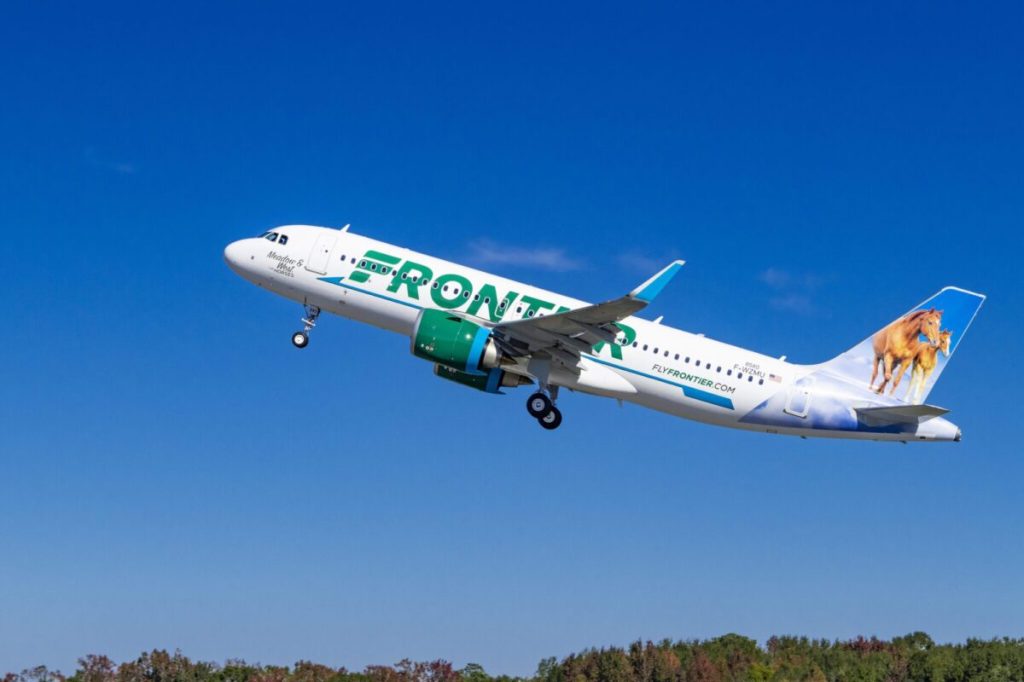
The fuel crisis hits these carriers at a vulnerable moment. Spirit Airlines continues its turnaround efforts following a failed merger with Frontier. Allegiant Air, which operates a smaller fleet focused on leisure routes between secondary cities, depends heavily on price competition to fill aircraft. Frontier, meanwhile, has positioned itself as the eco-conscious budget option but cannot escape fundamental fuel economics.
Fuel represents roughly 20 to 30 percent of operating costs for ultra-low-cost carriers, compared to 15 to 20 percent for full-service airlines with larger, more fuel-efficient widebody fleets. When oil prices spike, budget carriers feel the pain first and hardest.
The broader travel market shows mixed signals. Leisure travel remains resilient, particularly on routes to Florida, Las Vegas, and Caribbean destinations that Allegiant and Frontier dominate. Corporate travel has recovered, benefiting full-service carriers. However, price-sensitive leisure travelers, the core customer for Spirit and Frontier, increasingly face inflation across hotels, car rentals, and attractions, leaving less discretionary spending for airfare itself.
Capacity cuts represent the industry's preferred response. Reducing available seats raises load factors and stabilizes fares without triggering a damaging price war. Major carriers already announced fleet adjustments and route suspensions heading into slower travel seasons. Ultra-low-cost carriers will follow suit, pulling aircraft from underperforming markets and concentrating service on high-demand leisure corridors.
Hedging strategies offer limited protection. Airlines that locked in fuel prices months ago enjoy temporary relief, but new aircraft orders and existing contracts reflect current or anticipated pricing. Once hedges expire, carriers face raw market rates again.
Travelers booking leisure flights in the coming months should expect fewer discount options and potentially higher base fares on premium routes. Bundling ancillary fees, reserved seating, and carry-on luggage charges may become more common as carriers maximize revenue per passenger. Routes from major hubs like Orlando International Airport and Harry Reid International Airport in Las Vegas, traditionally dominated by budget carriers, will see service adjustments and possible fare increases.
The capacity cuts ahead will reshape competitive dynamics. Legacy carriers gain breathing room to raise fares on overlapping routes. Regional carriers operating regional jets face pressure from fuel costs too, but their partnerships with major airlines provide some insulation. The ultra-low-cost model, built on thin margins and high utilization, enters another test of resilience.