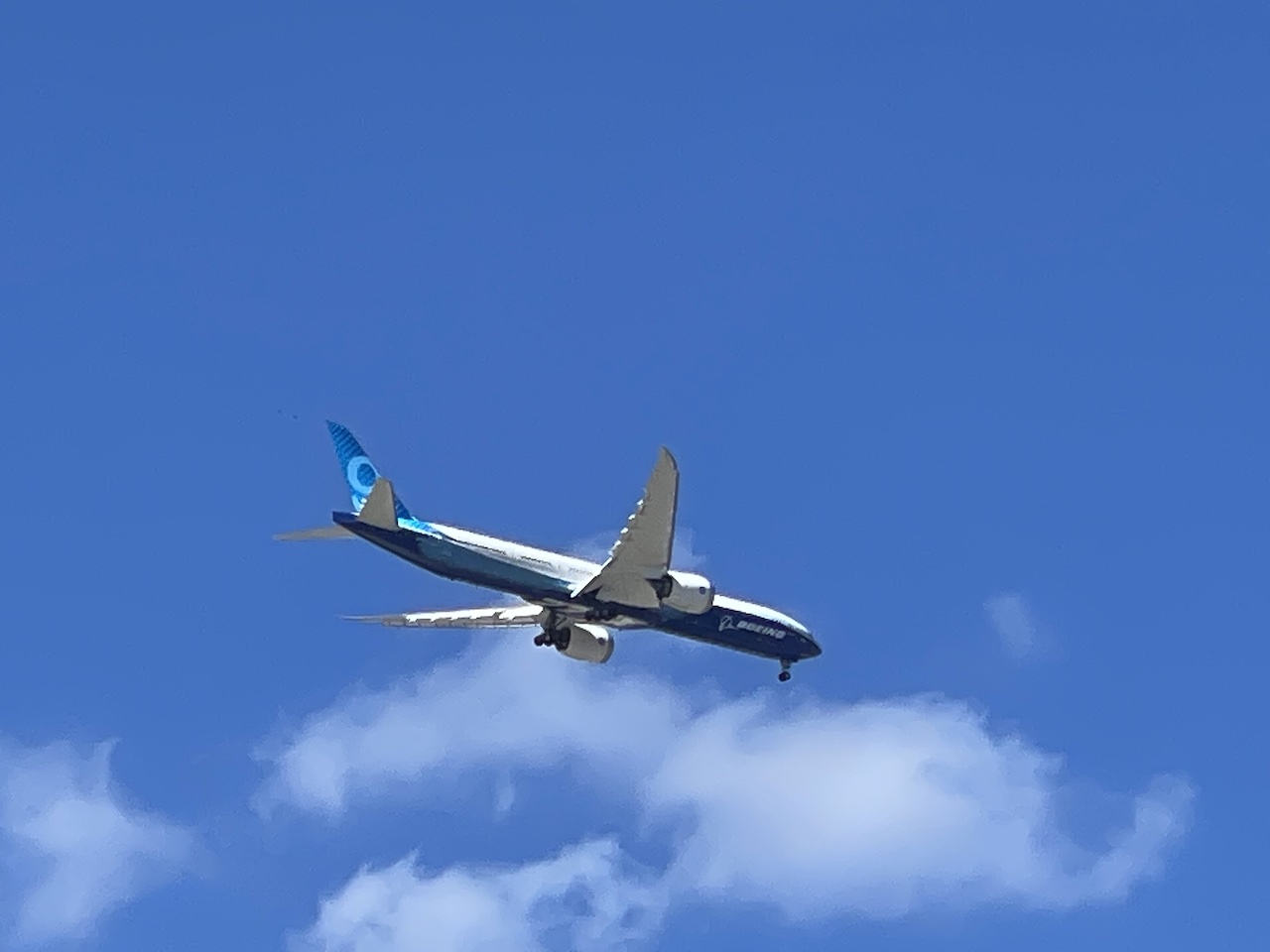
Boeing faces a critical juncture as 17,000 engineers prepare to potentially strike on October 6, threatening to halt production of the highly anticipated 777X aircraft. CEO Kelly Ortberg has acknowledged publicly that a walkout would freeze certification efforts for the wide-body jet, creating a domino effect across the aviation industry and the global travel ecosystem.
The 777X represents one of aviation's most significant developments in years. This ultra-modern wide-body aircraft promises operators like Emirates, Qatar Airways, and Japan Airlines substantial fuel efficiency gains and expanded passenger capacity. Airlines worldwide have ordered over 500 aircraft, making delays costly for both manufacturers and carriers struggling with fleet modernization.
A strike would cripple Boeing's timeline at precisely the wrong moment. The 777X has already experienced significant delays. The original 2020 delivery target slipped to 2023, then 2024, and currently sits at 2025 at the earliest. Certification involves extensive testing through the Federal Aviation Administration, a process that demands continuous engineering support. Without engineers present, certification testing halts entirely. No testing means no FAA approval. No approval means no deliveries.
The financial stakes are enormous. Every month of delay costs Boeing millions in carrying costs for completed aircraft unable to deliver. Airlines waiting for 777X aircraft cannot deploy new routes or retire aging fuel-inefficient planes like the 777-300ER. Leasing companies report growing frustration with delivery pushbacks. Some customers have already threatened to cancel orders or seek compensation.
The engineers' concerns center on wages, benefits, and job security amid Boeing's ongoing quality control crises. The company faced multiple safety scandals, including door plug incidents on 737 MAX aircraft that triggered regulatory scrutiny. Engineers argue they have carried much of the burden during these challenges without commensurate compensation. Their demands likely include wage increases, improved retirement benefits, and protections against outsourcing.
For travelers, a prolonged strike creates ripple effects. Airlines unable to deploy new 777X aircraft cannot retire older planes, meaning some routes may continue operating less fuel-efficient equipment. This translates to higher fuel surcharges on international flights, particularly on premium routes like US to Asia or Europe to Middle East connections. Business travelers and premium cabin passengers will likely absorb cost increases first.
Budget carriers planning long-haul expansion with 777X aircraft face particular strain. Airlines like Air Asia and Norse Atlantic have factored 777X deliveries into growth projections. Delays force fleet planning adjustments and may push expansion timelines back by years.
Ortberg's public acknowledgment of strike consequences signals Boeing recognizes the existential risk. The company cannot sustain another major disruption. Supply chain recovery from COVID-19 disruptions remains incomplete. Additional delays hand competitive advantage to Airbus, whose A350 and A380 programs operate without similar labor threats.
Resolution appears critical before October 6. Boeing's engineering workforce holds significant leverage. The company needs these 17,000 professionals to deliver aircraft, maintain safety standards, and rebuild reputation. A strike lasting weeks or months would reshape delivery schedules across the entire decade and alter airline fleet planning decisions worth billions.