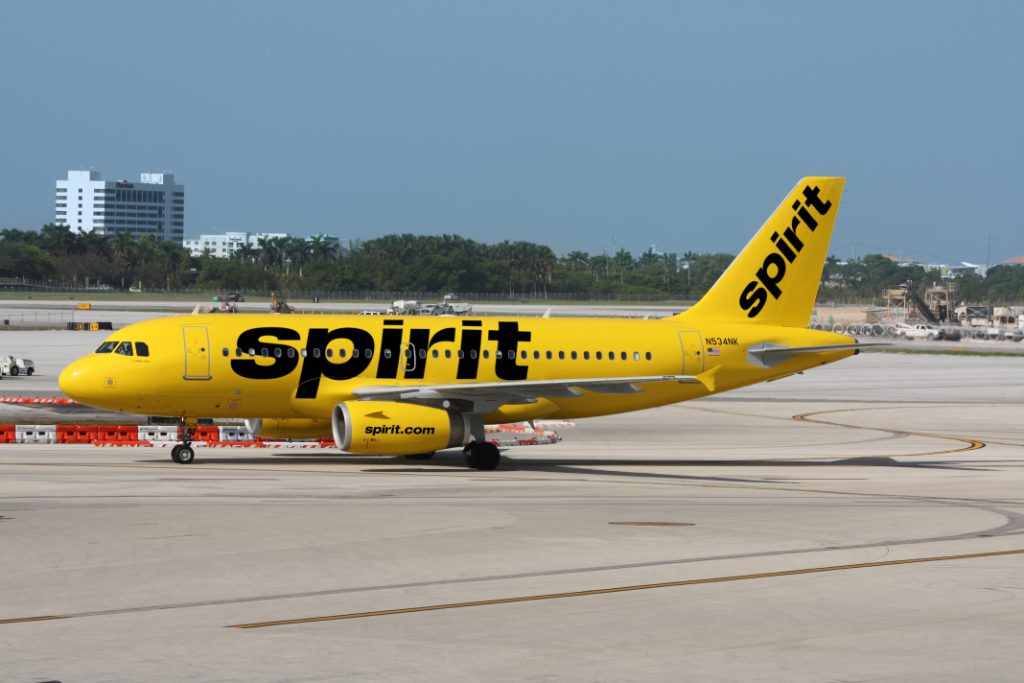
Spirit Airlines ceased operations, ending its run as a once-profitable ultra-low-cost carrier. The airline never recovered from pandemic losses and struggled against shifting passenger preferences toward premium seating and services. Travelers increasingly chose budget carriers offering better amenities over Spirit's bare-bones model.
The collapse creates opportunity for rival low-cost airlines like Frontier and Allegiant Air to capture Spirit's route network and customer base. However, these competitors face their own headwinds. Rising fuel costs, labor demands, and aircraft availability challenges limit their ability to expand aggressively. The ultra-low-cost sector itself remains fragile.
For budget travelers, Spirit's failure narrows options on many routes, particularly in Florida and the Northeast. Surviving discount carriers will likely maintain similar pricing structures but may offer slightly improved amenities to differentiate themselves. Passengers should book early on competitive routes, as remaining low-cost options will fill quickly.
The airline industry continues consolidating around a handful of major carriers. Smaller players must adapt or disappear. Budget travelers still have alternatives, but the playing field just got smaller and less competitive.