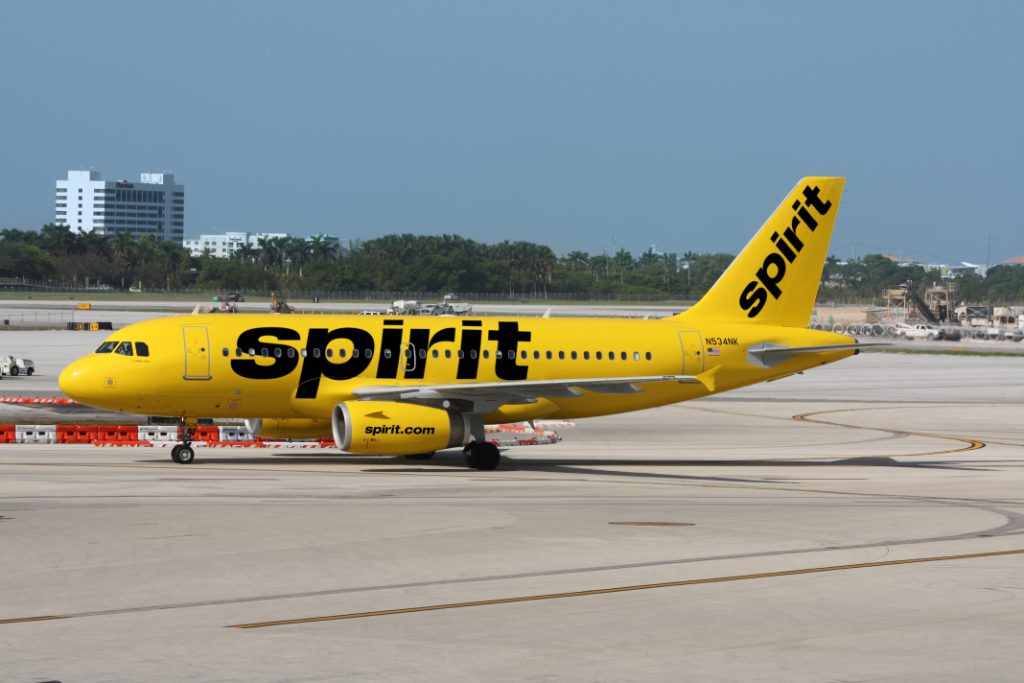
Spirit Airlines has ceased operations, marking the end of an era for the ultralow-cost carrier that once dominated budget travel. The airline filed for bankruptcy after the pandemic decimated its business model and travelers shifted toward premium carriers offering better amenities.
Spirit's collapse leaves a gap in the budget travel market. Rival low-cost airlines like Frontier and Allegiant have moved to capture Spirit's customer base and routes. However, these competitors face their own headwinds. Labor disputes, rising fuel costs, and pressure to improve customer service threaten their profitability.
The shutdown reflects a broader travel industry realignment. Airlines with stronger balance sheets survived the pandemic downturn. Those dependent on razor-thin margins and full capacity couldn't absorb revenue losses during lockdowns and reduced travel demand.
Travelers lose an affordable option. Spirit's $5 fares and bare-bones service appealed to budget-conscious flyers willing to pay for seat selection and checked baggage separately. Remaining low-cost carriers may fill this void, but expect higher baseline prices as the industry consolidates around fewer players.
Route disruptions are inevitable. Spirit operated flights on regional corridors competitors may abandon. Passengers should book alternative carriers immediately and monitor price changes as the market adjusts to Spirit's absence.