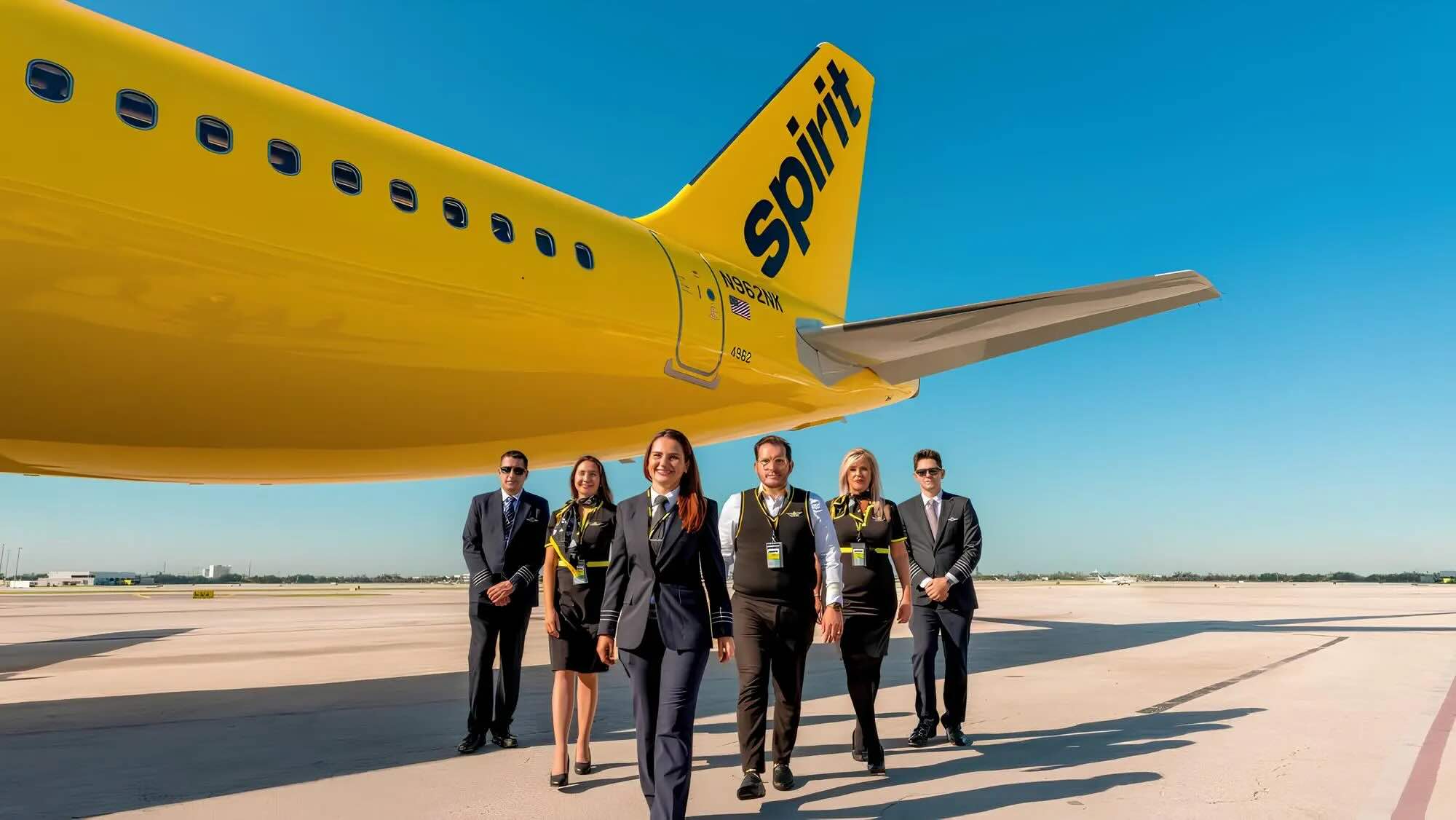
Spirit Airlines' collapse reshapes US air travel. The budget carrier, which operated flights throughout the US, Caribbean, and Central America, shut down after regulators blocked its proposed merger with JetBlue. That decision, intended to preserve competition and protect consumers from higher fares, backfired spectacularly.
Spirit's failure removes a major competitor from the market. The airline undercut rivals on price, forcing competitors to match those low fares or lose customers. Without Spirit in the game, surviving carriers now face less pressure to compete aggressively on cost.
The regulatory move to kill the merger prioritized short-term competition concerns over Spirit's financial viability. Federal authorities believed the merger would reduce options for consumers. They didn't anticipate that blocking the deal would eliminate Spirit entirely, reducing competition further.
Travelers lose real consequences. Fares on routes Spirit served will likely rise. Options shrink. The decision that aimed to protect consumers achieved the opposite. Saving a struggling airline through merger would have cost regulators nothing. Letting it fail costs travelers money and convenience across dozens of routes.
The lesson stings. Regulators prioritized ideology over pragmatism. Competition requires competitors. Blocking a merger to preserve one competitor destroyed it instead.