Madagascar delivers raw adventure for travelers seeking untouched landscapes and endemic wildlife found nowhere else on Earth. The island nation off the coast of Southeast Africa remains remarkably free from mass tourism, offering genuine cultural encounters with warm, welcoming communities.
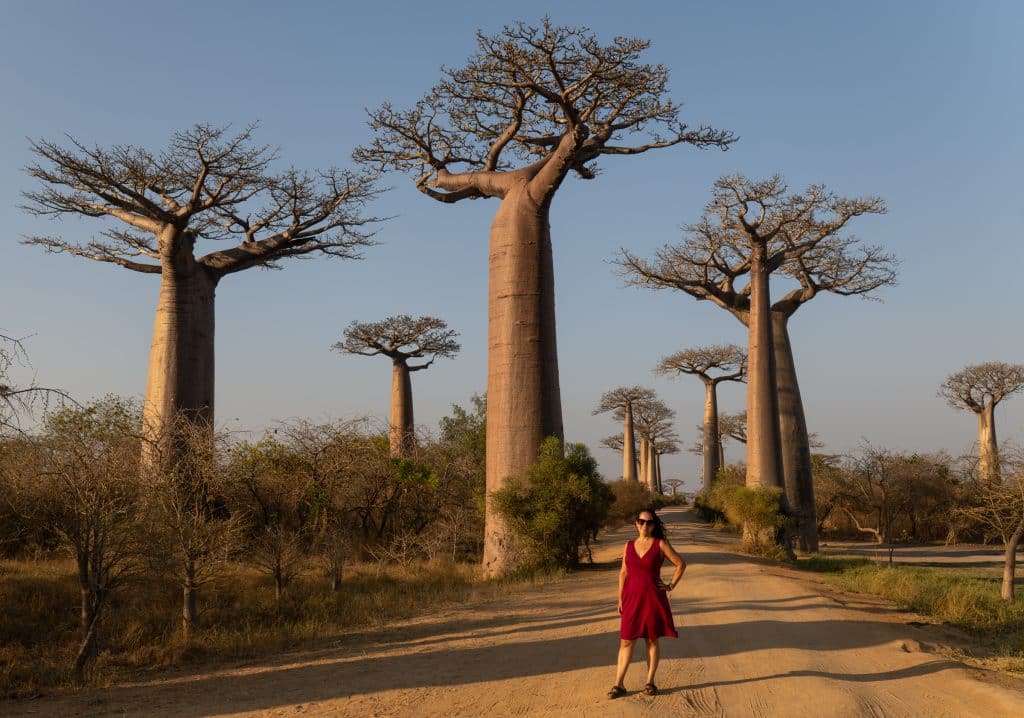
The island's wildlife proves otherworldly. Lemurs, fossas, and chameleons inhabit forests that exist in a completely separate evolutionary arc from mainland Africa. The red-rock formations of the Tsingy de Bemaraha, UNESCO-listed canyons of razor-sharp stone, create landscapes that feel alien. The Avenue of the Baobabs near Menabe displays massive ancient trees that dwarf visitors.
Getting there requires patience. Most travelers fly into Antananarivo via connecting flights through Europe or the Indian Ocean hubs. Air Mauritius, Madagascar Air, and Etihad offer routes, though flight times stretch 20-plus hours with connections. In-country travel relies on small domestic carriers like Air Madagascar connecting coastal towns to interior regions.
Accommodation ranges from budget eco-lodges under $30 nightly to upscale resorts like Anjajavy Le Lodge and Manga Soa in the Nosy Be region. Many lodges sit remotely, accessible only by boat or challenging road travel, which adds to the authentic experience but requires flexibility.
The wet season runs November through March, bringing heavy rains and occasional cyclones. Travel during the dry season from April through October for optimal conditions. Expect roads to be rough. Four-wheel drive proves necessary for reaching remote areas.
Costs remain low by global standards. Daily budgets of $30-50 cover basic food and lodging outside resorts. Meals featuring rice, fresh seafood, and tropical fruits cost dollars rather than tens of dollars. Local guides earn modest wages, making hiring experienced naturalists affordable.
Madagascar appeals to adventu