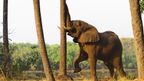
Zambia stakes its claim as the planet's premier walking safari destination, offering travelers an intimate wilderness experience that motorized tours cannot match. The country's vast protected areas, particularly South Luangwa National Park and Lower Zambezi National Park, provide ideal terrain for foot-based exploration across pristine bush country.
Walking safaris in Zambia deliver unfiltered encounters with wildlife. Visitors trek through acacia woodlands and riverine forests with experienced guides who navigate herds of elephants, buffalo, and lions on their own terms. The pace allows for genuine observation. Animals remain undisturbed by vehicle engines, creating authentic interactions impossible from a Jeep window.
South Luangwa, spanning 9,050 square kilometers in eastern Zambia, pioneered walking safaris in the 1970s and remains the gold standard. Operators like Norman Carr Safaris and Shenton Safaris conduct multi-day treks that immerse visitors in nocturnal wildlife activity and daytime predator hunts. Lower Zambezi offers similar experiences along the Zambezi River, where hippos and crocodiles dominate water-based observations.
The walking safari trend reflects broader luxury travel shifts away from extraction-style tourism toward conservation-focused experiences. Tour operators emphasize low-impact footprints and sustainable wildlife management. Zambia's approach benefits local communities through employment for guides and porters while protecting ecosystems from vehicle congestion plaguing other African destinations.
Costs run between $3,500 and $7,000 per person weekly, including accommodations at eco-lodges, meals, and guide services. Peak season spans May through October when temperatures cool and wildlife concentrates near water sources.
Walking safaris demand fitness. Multi-day treks average 15-20 kilometers daily across uneven terrain. Participants encounter genuine risks. Guides carry rifles