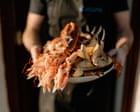
Scotland's Highlands and Islands have become unexpected destinations for serious seafood travelers seeking exceptional quality without the fine-dining price tag. Waterside shacks and informal inns now serve some of the country's best oysters, langoustines, and herring caught minutes from where diners sit.
The shift democratizes Scotland's legendary seafood culture. Visitors no longer need reservations at Michelin-starred restaurants to taste premium catches. Instead, casual venues positioned metres from working harbors and CalMac ferry terminals offer authentic experiences. Diners sit communal-style at tables stacked with empty shells, eating under tarps while watching fishing boats and gulls.
Local operators recognize this trend. The rollmop herring, oysters, and other preparations reflect centuries-old Scottish seafood traditions now accessible to budget-conscious travelers and casual food tourists alike. Day-trippers from Glasgow and beyond make pilgrimages to these waterside spots, treating them as destination experiences rather than simple meals.
This reflects broader travel patterns. Post-pandemic, travelers increasingly seek authentic, unpretentious experiences over luxury branding. Remote Scottish locations benefit from this shift. Ferries like CalMac connect visitors to islands where fresh seafood arrives daily at the dock.
Costs remain reasonable at these venues compared to Edinburgh or London fine dining. A plate of oysters with herring costs a fraction of upscale restaurant pricing. Accommodations across the Highlands range from budget guesthouses to mid-range hotels, making multi-day seafood trips feasible for families and independent travelers.
The islands' geography matters. Orkney, Skye, Mull, and the Outer Hebrides offer their own distinct seafood traditions. Each location features different species and preparation styles reflecting local fishing practices.
Travelers planning Scottish seafood trips should time visits around peak seasons when catches peak. Summer months offer