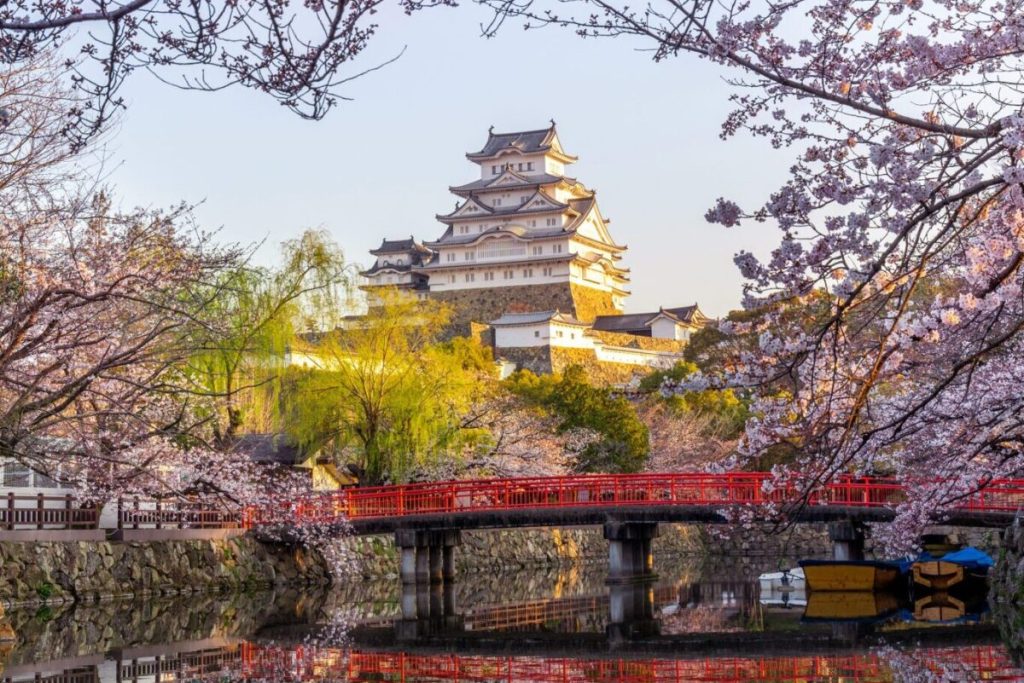
Japan is implementing two-tiered pricing at major tourist attractions, charging foreign visitors more than domestic tourists. Himeji Castle in Hyogo Prefecture pioneered this approach, demonstrating strong revenue gains that convinced other sites to follow suit.
The pricing disparity reflects a broader shift in how Japan manages overtourism and tourism revenue. Foreign visitors now pay premium rates at Himeji Castle and other popular destinations, while Japanese nationals receive discounted admission. This model addresses two problems simultaneously: it generates additional revenue from international tourists with higher spending power, and it subtly discourages some foreign visitors during peak seasons, easing crowding.
The strategy marks a departure from Japan's decades-long pricing equality. Himeji Castle's success in implementing this system without significant political backlash has emboldened other operators. Museums, temples, and gardens across Japan now consider similar tiered structures.
For travelers planning Japan itineraries, this means budgeting higher entrance fees at major attractions. Popular sites like Kyoto's temples and Tokyo's museums are likely candidates for two-tier pricing expansion. Foreign tourists should expect to pay 20-50 percent more than Japanese visitors for the same experiences.
This trend reflects Japan's recalibration of tourism economics post-pandemic. After years of aggressive international promotion, Japan now balances visitor volume with revenue optimization. The country welcomed 3.07 million foreign visitors in 2023, with projections reaching pre-pandemic levels in 2024. Two-tier pricing allows Japan to maintain visitor numbers while maximizing revenue per international guest.
Travelers to Japan should verify admission prices online before visiting major attractions and budget accordingly. Group tours and package deals may offer alternatives to individual admission fees. Japanese travel agents or hotel concierges can provide current pricing at specific destinations.
This development signals Japan's maturation as a premium tourism destination. Rather than competing on volume alone, Japan