Airlines operate in a paradox. Packed flights generate revenue, yet the industry remains structurally unprofitable. This tension explains why carriers constantly file for bankruptcy despite strong passenger demand.
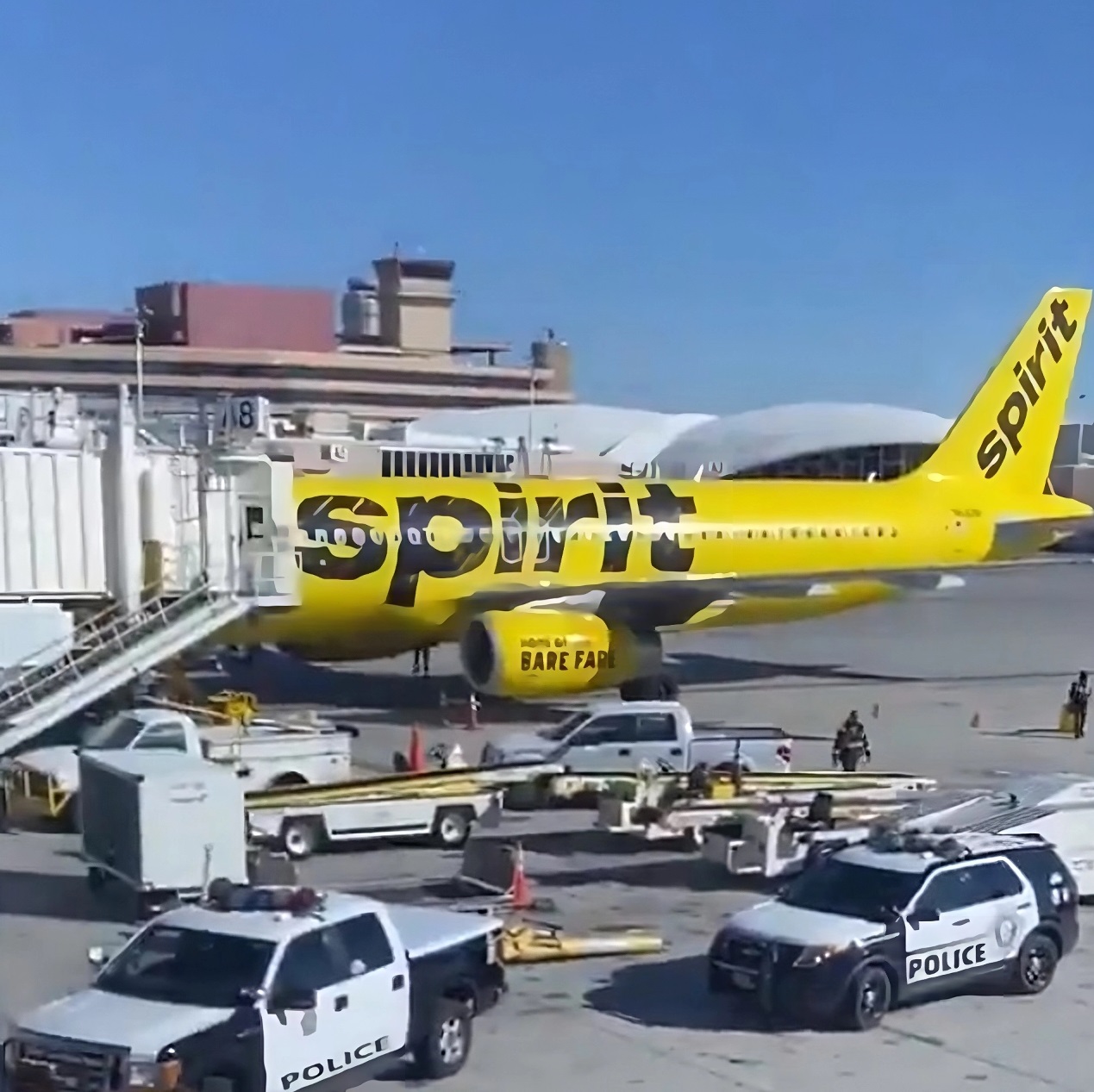
The culprit is cutthroat competition. Low-cost carriers like Southwest, Spirit, and Frontier have collapsed prices across domestic markets. Established carriers like American Airlines, Delta, and United respond by matching fares to remain competitive. The result: razor-thin margins. A single operational disruption, fuel spike, or economic downturn pushes airlines into losses.
Capacity management compounds the problem. Airlines add routes and aircraft to capture market share, but this oversupply drives prices down further. Once capacity enters a market, removing it damages revenue more than maintaining low fares hurts margins. Airlines become trapped in a cycle of high volume, low profit.
The premium product became the escape route. Airlines now obsess over revenue streams beyond base fares. Loyalty programs like Delta SkyMiles and United MileagePlus generate billions through credit card partnerships. American Express pays carriers billions annually for co-branded cards. These frequent flyer programs create recurring revenue that base fares alone cannot sustain.
Hub dominance offers another moat. Delta controls Atlanta. American Airlines commands Dallas-Fort Worth and Charlotte. United owns Newark and Houston. These concentrated networks let airlines control local pricing and reduce competition. But hubs require massive infrastructure investment and are vulnerable to low-cost carriers chipping away at routes.
Premium cabin differentiation matters too. Business travelers pay $5,000 to $15,000 for transcontinental first-class seats. These passengers subsidize economy operations. Airlines invest heavily in lie-flat seats, premium catering, and lounge access to attract high-yield passengers.
The fundamental problem persists. Fuel costs, labor expenses, and airport fees are fixed or rising. Without structural changes