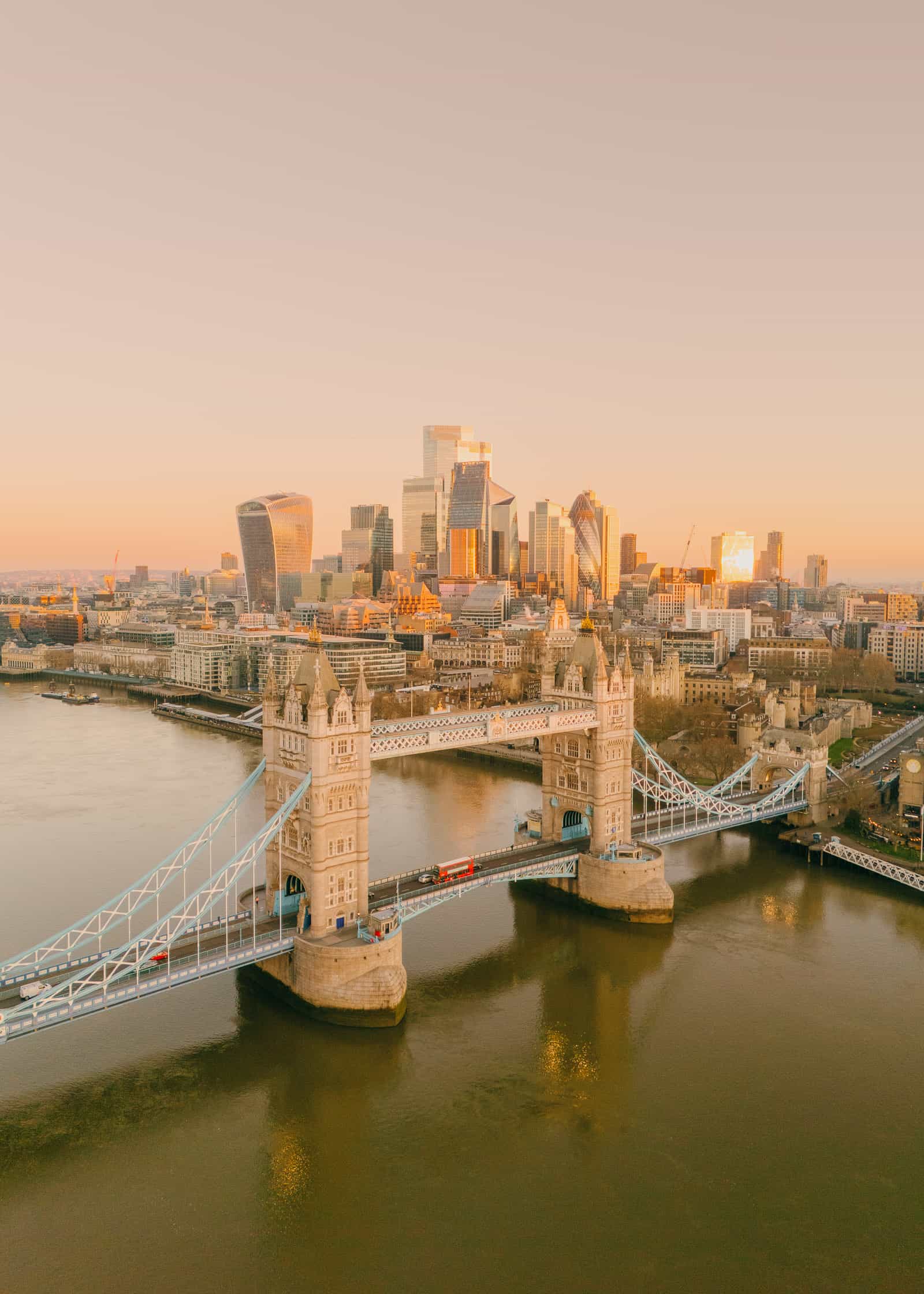
London rewards walkers with routes that blend iconic landmarks and overlooked neighborhoods. Eight standout walks showcase the city's range, from the Thames embankment past Big Ben and the Houses of Parliament to quieter streets where locals discover Victorian architecture and independent cafes.
Walking remains the smartest way to navigate London's compact center. The city's tube network costs £1.75 to £2.80 per journey, while a full day of walking costs nothing. Visitors save money while absorbing neighborhoods at human pace.
The best routes hit obvious targets like Buckingham Palace and Westminster Abbey, then veer into character-filled areas. South of the Thames, the South Bank path passes the Shakespeare Globe Theatre reproduction, Borough Market's food stalls, and the Tower Bridge approach. North of the river, hidden mews lanes near Covent Garden reveal boutique shops and tucked-away pubs.
The walks cross diverse London. Notting Hill's pastel Victorian terraces and Portobello Road Market appeal to shoppers. Bloomsbury's Georgian squares and the British Museum area draw culture seekers. East London's street art alleys and independent galleries in Shoreditch attract younger travelers. Royal Parks like St. James's and Green Park offer tree-lined respite from crowds.
Walking distances range from two to five miles per route, manageable for most fitness levels. Comfortable shoes matter more than speed. Many routes take three to four hours including stops for lunch or coffee.
London's walking culture stems from centuries of urban planning. Georgian and Victorian neighborhoods still follow original street patterns. Parks designed by landscape architects in the 1800s remain intact. This layered history emerges through walking in ways that buses and trains obscure.
Budget travelers particularly benefit from self-guided walks. Hotels like Premier Inn (£60-90 nightly) and Travelodge (£50-80