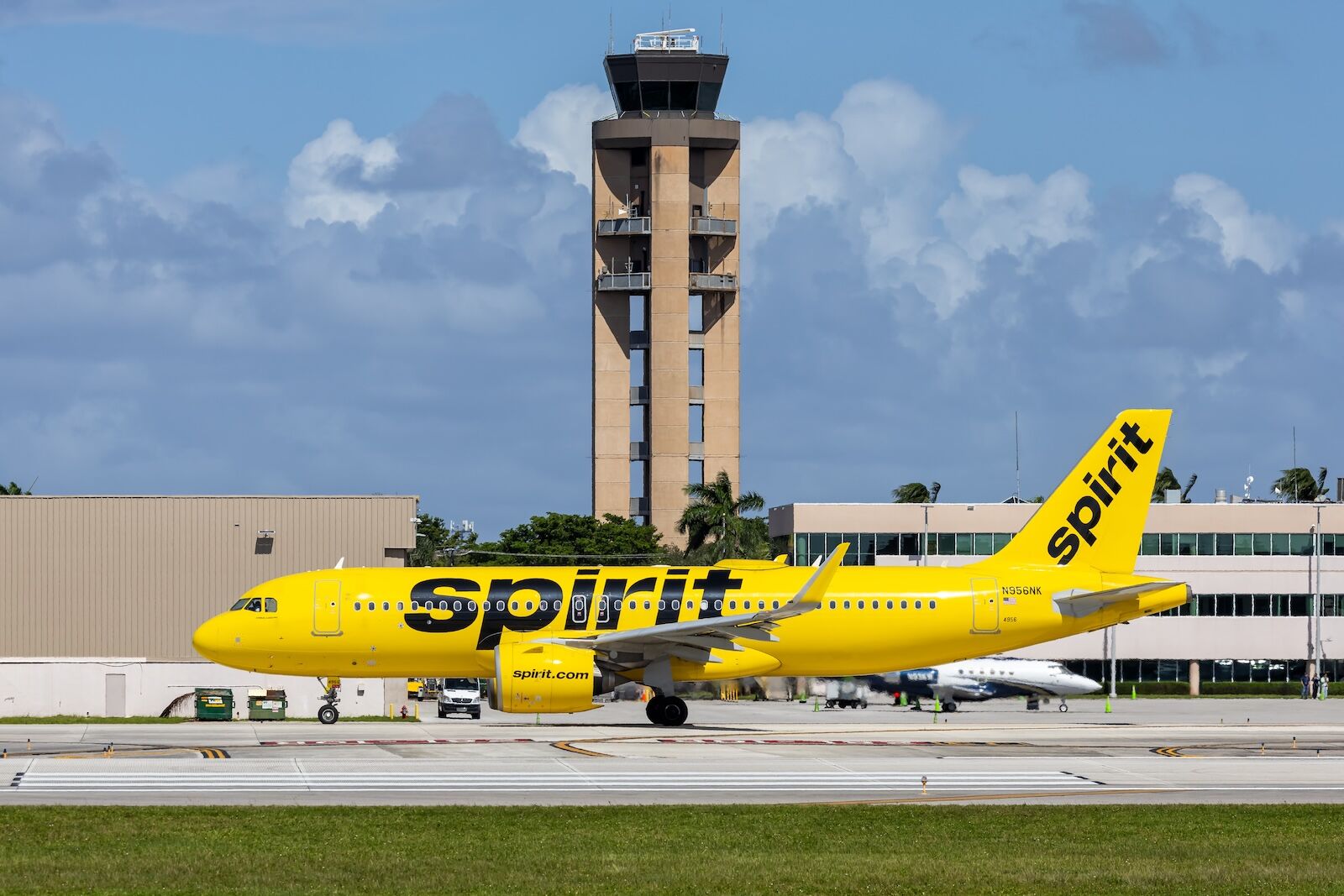
# A $100 Vote for a Different Sky
Spirit Airlines enters uncharted territory with a radical ownership experiment. The ultra-low-cost carrier plans to let customers vote on airline decisions through a $100 "shareholder" stake, mirroring the Green Bay Packers' legendary community ownership model.
The concept transforms passengers into stakeholders with actual voting rights on operational choices. Customers purchasing the $100 stake gain a voice in matters ranging from route expansion to aircraft selection. Spirit positions this as a way to rebuild trust after years of negative headlines surrounding its aggressive baggage fees and customer service reputation.
This model diverges sharply from traditional airline governance. United Airlines, Delta Air Lines, and Southwest Airlines operate as conventional corporations answerable to institutional investors and Wall Street analysts. Spirit's democratized approach taps into the same community loyalty that sustained the Packers through decades of intense fan devotion in Green Bay, Wisconsin.
The financial mechanics remain sparse in initial announcements. Spirit hasn't clarified how many votes each $100 stake grants or whether voting power concentrates among larger investors. The carrier also hasn't detailed which decisions qualify for customer input versus executive discretion.
Budget travel operators like Frontier Airlines and Allegiant Air typically compete on rock-bottom fares rather than customer experience. Spirit's voting initiative acknowledges that ultra-low-cost passengers crave more than just cheap tickets. They want agency.
For travelers planning budget trips, this signals potential shifts in Spirit's fee structure or route strategy. If voting passengers demand more favorable baggage policies or expanded service to secondary airports, operational costs could rise, pressuring Spirit's legendary low-fare positioning.
The Green Bay Packers operate with about 360,000 shareholders. Spirit hasn't disclosed how many stakeholders it seeks. If thousands of passengers acquire voting stakes, Spirit's shareholder meetings could transform into a chaotic democracy. Alternatively,