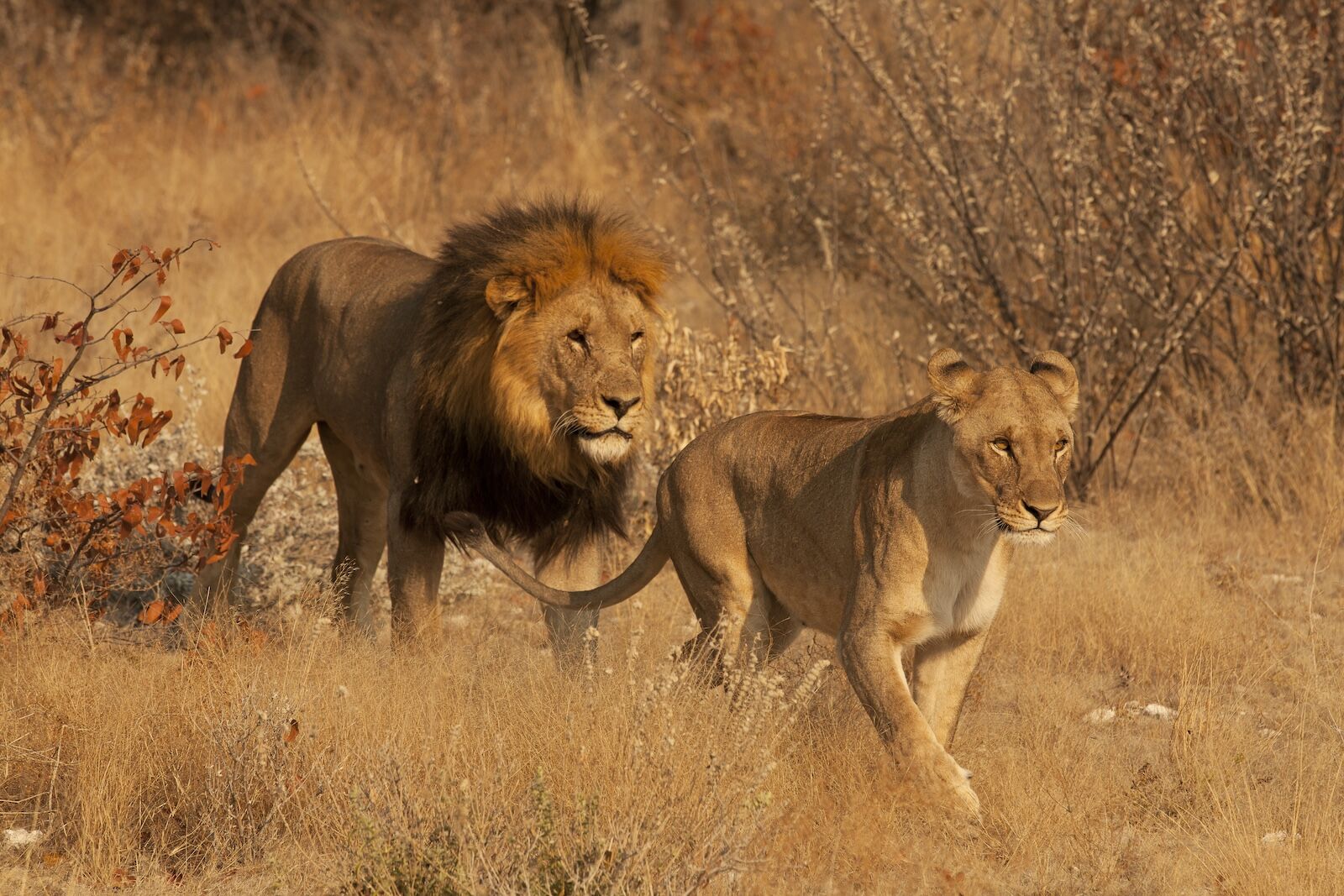
Lolelunga Private Reserve in northern Zambia has launched an unprecedented rewilding project, reintroducing captive lions to the Lunga River region for the first time in 15 years. The initiative began April 12, 2026, and marks the first attempt in Zambia to rehabilitate captive-bred lions back into the wild.
The reserve sits in remote territory where apex predators once roamed freely before local hunting pressure eliminated the population. Rewilding efforts like this one require careful habitat management, prey species restoration, and monitoring infrastructure. Lolelunga's team must track lion behavior, health, and territorial patterns as the animals adjust to hunting naturally and navigating genuine wilderness conditions.
This project reflects a broader global shift in conservation strategy. Wildlife reserves across Africa now recognize that restoring apex predators strengthens entire ecosystems. Lions regulate herbivore populations, which prevents overgrazing and maintains vegetation health. The ripple effects extend to water sources, soil quality, and the survival of smaller species dependent on balanced predator-prey dynamics.
For travelers interested in African wildlife experiences, this development opens new possibilities. Lolelunga Private Reserve operates as an exclusive destination where visitors can witness active conservation work firsthand. Similar reserves across Zambia, Zimbabwe, and Botswana increasingly market immersive safari experiences centered on rewilding projects and habitat restoration. The cost typically ranges from $300 to $800 per night depending on accommodation quality and guiding services.
The rewilding attempt comes with risks. Captive-bred animals lack survival instincts honed by generations in the wild. Prey availability, territorial competition, and human-wildlife conflict near surrounding communities require constant management. Zambia's Department of National Parks and Wildlife oversees the project to ensure protocols protect both the lions and local populations.
Success here could transform conservation across southern