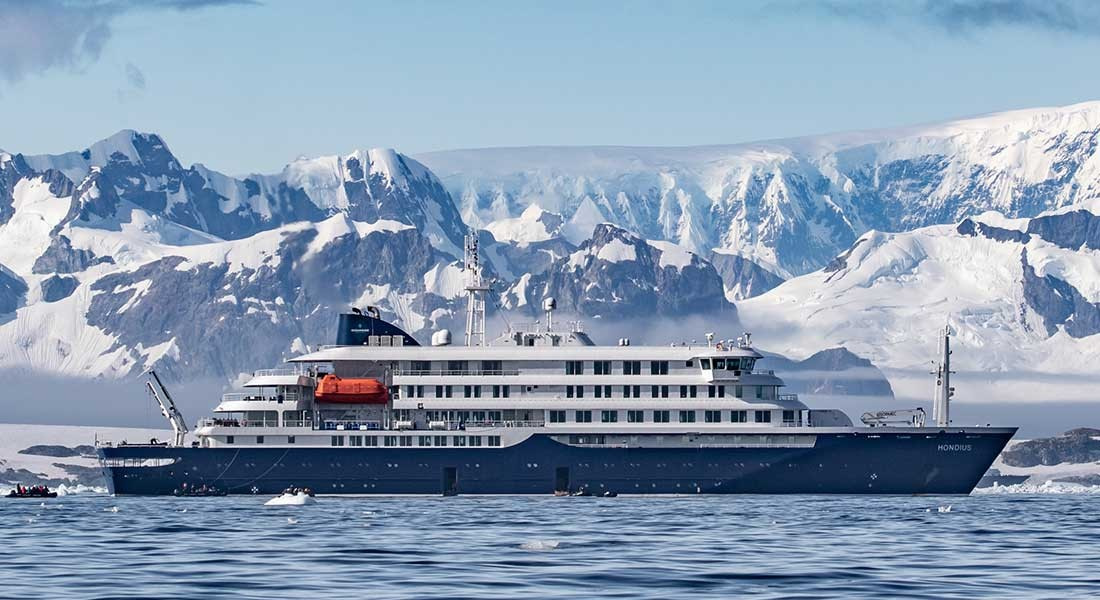
A hantavirus outbreak linked to cruise tourism in Argentina has killed three people and infected five total, with investigators tracing the source to a shore excursion in Ushuaia rather than the cruise ship itself.
The outbreak connects to passengers who took a guided landfill tour during a port visit to Ushuaia, the southernmost city in Argentina and a major hub for Antarctic and Patagonian cruises. Hantavirus spreads primarily through contact with infected rodent droppings, urine, or saliva. A landfill environment provides ideal conditions for rodent populations, making it a dangerous setting for tourists unfamiliar with the risks.
This case illustrates a growing tension in adventure travel. Ushuaia attracts thousands of cruise passengers annually seeking authentic Patagonian experiences. Tour operators increasingly market unconventional excursions, from wildlife encounters to industrial sites, competing for passenger dollars. The landfill tour likely promised unique photography opportunities or cultural insights into local waste management. Instead, it exposed tourists to a lethal pathogen.
The incident raises questions about shore excursion vetting processes. Most cruise lines outsource excursions to local operators, creating liability gaps. Passengers booking through cruise lines assume some level of safety screening, but regional health risks and site conditions often escape thorough evaluation. Hantavirus remains rare in most developed nations, potentially explaining why operators didn't recognize the hazard.
For travelers planning Antarctic or Patagonian cruises, this outbreak carries practical lessons. Research any shore excursion beyond standard offerings. Ask cruise lines about operator credentials and safety protocols. Avoid activities involving close contact with rodent-prone environments, particularly in Patagonia where hantavirus circulates in wild populations.
Major cruise operators sailing to Ushuaia, including Silversea, Seabourn, and expedition lines like Lindblad