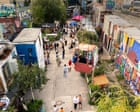
Munich's edgiest neighborhood sits in the southwest corner of the city, far from the beer-hall tourism of Marienplatz. Schlachthofviertel, literally "slaughterhouse district," has become the creative pulse of the Bavarian capital, attracting travelers seeking authenticity over postcard moments.
The district's raw character stems from its industrial bones. Butcher shops operate alongside dive bars. A functioning slaughterhouse still stands as a controversial centerpiece. Yet this gritty foundation has sparked unexpected cultural transformation. A theater brings experimental productions to the neighborhood. Techno clubs pulse through converted warehouses most nights. Street art covers weathered brick facades. The contrast creates an unpredictable energy that established Munich neighborhoods cannot match.
For travelers, Schlachthofviertel offers escape from the Oktoberfest crowds and tourist-packed beer gardens. The bars here serve local drinkers, not tour groups. Prices remain reasonable compared to the city center. A beer runs several euros cheaper than in touristy districts. Food remains authentic, with traditional Bavarian fare at working-class prices.
The neighborhood appeals to budget-conscious travelers and those chasing underground culture. Visitors can reach Schlachthofviertel via Munich's U-Bahn metro system, making it accessible for day trips from hotels across the city. The U6 line connects directly to the district.
The transformation raises tensions. Developers eye the land for gentrification. Long-time residents and artists worry about displacement. Yet the district's cultural institutions fight to preserve its character. The active slaughterhouse remains operational, a stark reminder of Schlachthofviertel's industrial past.
Travelers planning visits should embrace the rough edges. This is not polished Bavaria. Expect worn buildings, working-class crowds, and venues that prioritize