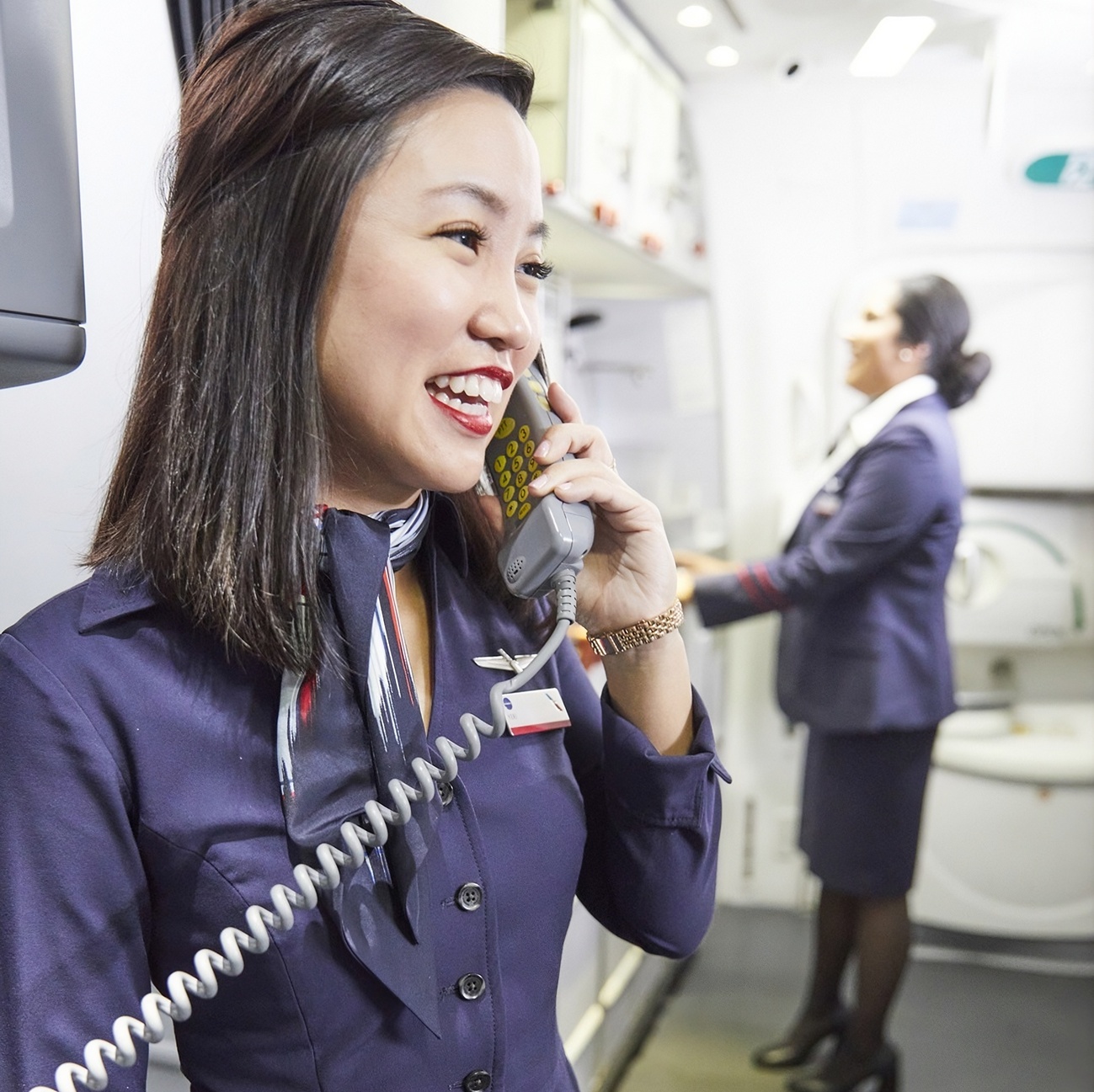
American Airlines faces a credibility problem. The carrier invests heavily in premium cabins, business-class seating, lounge access, and upgraded catering across its network, yet flight attendants frequently skip basic courtesies like greeting passengers at the cabin door. This disconnect undermines the airline's luxury positioning.
The issue reflects deeper organizational failures. Premium travel consumers expect hospitality fundamentals alongside physical amenities. A plush seat means little if crew members ignore passengers during boarding. Lounge access feels hollow when service feels transactional rather than welcoming.
The problem stems from incentive misalignment and cultural drift. American Airlines management invested in visible upgrades without ensuring crew training, morale, and compensation aligned with premium service expectations. Flight attendants at legacy carriers often feel overworked and undervalued, reducing motivation for consistent hospitality gestures.
This matters for business travelers and premium leisure passengers considering American versus competitors like Delta, United, or international carriers. Lufthansa, Singapore Airlines, and Qatar Airways built reputations on service consistency across all touchpoints. American cannot compete on hospitality reputation when cabin crew skip fundamental greetings.
The financial implications are real. Premium cabin revenue supports airline profitability. If business passengers perceive service inconsistency, they'll switch to competitors offering better overall experiences. A single cold interaction during boarding can offset thousands spent on seat redesigns.
American Airlines leadership must address this through crew engagement, incentive restructuring, and service standards enforcement. Greeting passengers costs nothing but signals hospitality priorities. Without cultural alignment throughout the organization, premium positioning remains cosmetic.
The airline's future depends on recognizing that modern premium travel buyers value consistent human service alongside physical comfort. Investment in crew training and morale will generate better returns than another lounge renovation.