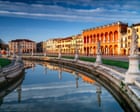
Travellers seeking authentic Italian experiences are bypassing overcrowded Venice in favor of nearby Padua, a medieval university city just 30 minutes from Venezia Mestre via frequent, affordable trains. This emerging trend reflects broader shifts in how visitors approach Italy's most visited regions.
Padua offers Renaissance architecture, vibrant piazzas, and the birthplace of Aperol Spritz culture without the Venice crowds or premium gondola prices. The city functions as an ideal base for exploring northeastern Italy while maintaining genuine local character. Train connections from Padua to Venice remain cheap and convenient, giving travelers flexibility to day-trip to the lagoon without the accommodation sticker shock.
Beyond Padua, readers highlight Sicily's Greek Theatre at Taormina as a standout destination. This ancient amphitheater delivers spectacular Mediterranean views and connects travellers to Sicily's layered history spanning Greek, Norman, and Arab influences.
The Cinque Terre continues attracting cycling enthusiasts drawn to coastal trails through five cliffside villages in Liguria. Meanwhile, Rome insiders praise discreet espresso bars overlooking the Colosseum, offering atmospheric caffeine breaks away from tourist throngs.
This collection reflects a savvy traveller profile. Rather than clustering in Venice, Florence, and Rome, visitors increasingly explore secondary cities offering better value and authentic experiences. Padua exemplifies this shift. Regional trains throughout Italy remain competitively priced compared to European counterparts, making multi-city itineraries economically viable.
The trend carries implications for travel planning. Skip Venice's premium hotels and Michelin crowds. Book trains through Trenitalia for €10-20 journeys. Stay in Padua, explore Sicily's ancient sites, cycle Liguria's coastline, and discover Rome's neighborhood gems. Italy's interior and secondary cities deliver the country's soul without the