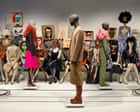
Antwerp emerges as Europe's alternative style capital, driven by a legacy that dates back to the 1980s when the Antwerp Six revolutionized global fashion. A major new exhibition celebrating these pioneering designers offers the perfect moment to explore Belgium's vibrant second city beyond its medieval charm.
The city wears its fashion credentials openly. Even religious iconography reflects haute couture sensibilities. St Andrews Church, a baroque structure near Antwerp's old town, features a Virgin Mary dressed head-to-toe in couture alongside exuberantly carved wooden pulpits and masterworks by Flemish artists. This fusion of fashion consciousness with historical architecture defines the city's unique character.
The Antwerp Six, comprising designers like Ann Demeulemeester, Dirk Bikkembergs, and Dries Van Noten, transformed Antwerp from a medieval port city into a fashion powerhouse during the 1980s. Their innovative approach to design put Flanders firmly on the international fashion map, establishing a design philosophy that prioritized artistic expression over commercial trends.
Today, Antwerp attracts fashion enthusiasts worldwide. The city balances its medieval heritage with contemporary creative energy. Cobblestone streets wind past historic guild houses that now house avant-garde boutiques and design studios. The district around Meir and Nationalestraat offers curated shopping experiences reflecting both established and emerging Belgian designers.
Budget-conscious travelers find Antwerp more accessible than fashion capitals like Paris or Milan. Belgian train connections via Eurostar from London or direct trains from Brussels make reaching the city straightforward. Accommodation ranges from boutique hotels to mid-range options in the old town, with many designed by local architects.
The current exhibition dedicated to the Antwerp Six provides context for understanding the city's design DNA. Visitors can trace how these designers influenced contemporary fashion while