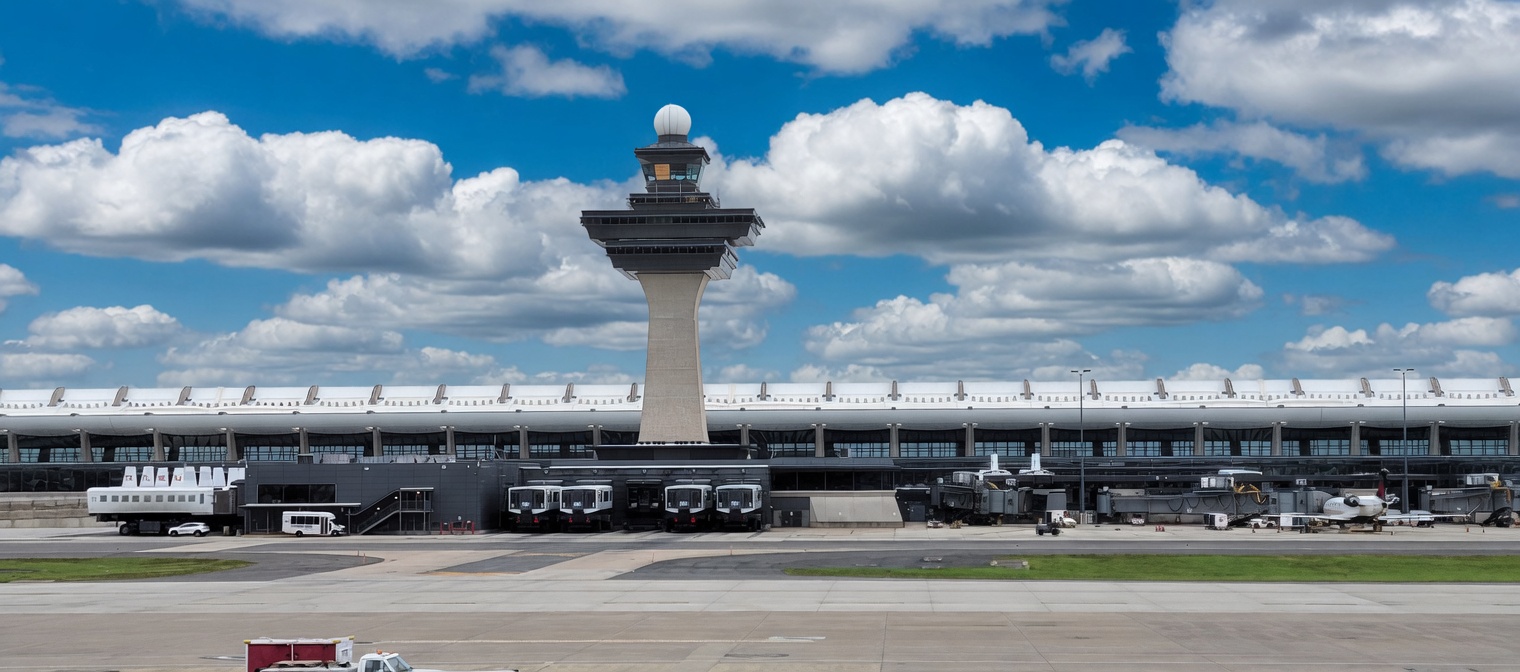
Washington Dulles International Airport is planning a massive $22 billion rebuild that would fundamentally transform one of America's worst airport experiences. The project replaces the decades-old mobile lounge system, those infamous shuttle buses that have frustrated travelers since the 1960s, with direct rail connections to new concourses.
The transformation includes demolishing the "temporary" C/D complex, a misnomer since it has operated for over fifty years. New rail-connected terminals would dramatically reduce passenger walking distances and eliminate the bottleneck created by mobile lounge transfers. For frequent travelers to Washington, this ranks among the most anticipated infrastructure improvements in recent memory.
The challenge is financing. The $22 billion price tag translates to roughly $90 per passenger, straining airport finances significantly. Metropolitan Washington Airports Authority faces three options: seek taxpayer funding, pursue partial privatization, or phase construction over decades to spread costs.
Context matters here. Dulles serves roughly 24 million passengers annually and competes with nearby Reagan National and BWI Marshall. Its aging infrastructure already ranks among the most complained-about in passenger surveys. United Airlines, the airport's dominant carrier, operates major operations there, and any improvements could make the hub more competitive for connecting traffic.
The mobile lounges themselves, while iconic, represent outdated travel design. Passengers queue for buses, endure lengthy rides across the tarmac, then queue again at the concourse. In winter weather, the system struggles. Modern airports universally use direct connections, making Dulles an anomaly.
Costs have inflated dramatically from earlier estimates. Construction timelines remain unclear, meaning travelers could face years of disruption. The airport would need to demonstrate the rebuild generates sufficient revenue increases or cost savings to justify the investment to stakeholders.
For business travelers routing through Washington and leisure visitors heading to the capital, this rebuild represents light at the end of a