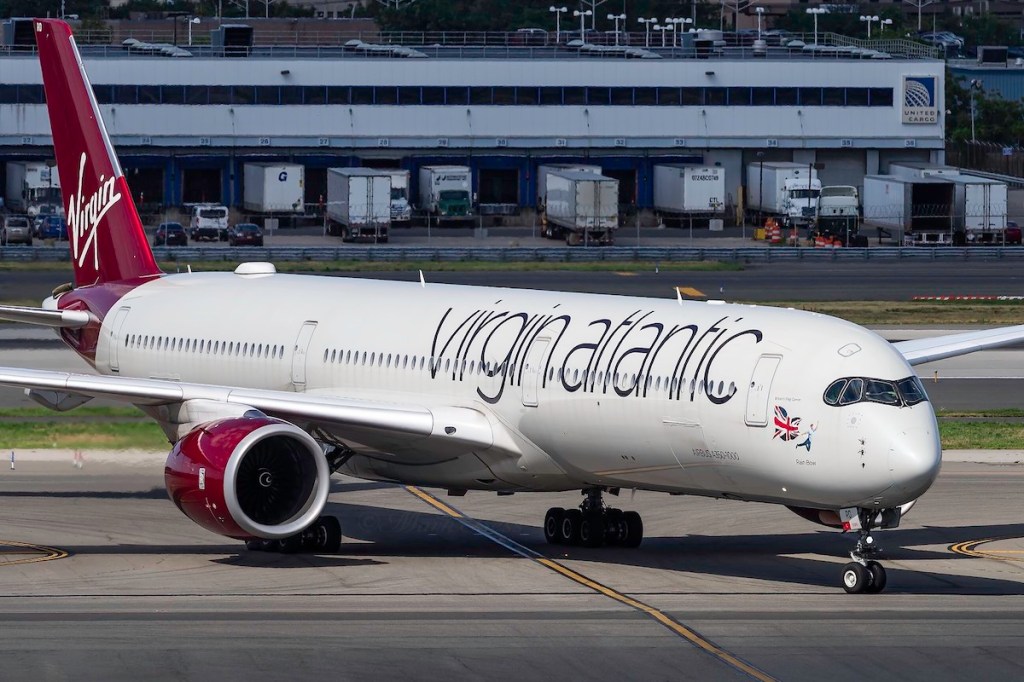
OpenAI has launched a $4 billion deployment division that addresses a major gap in how travel companies adopt artificial intelligence. The new business unit brings together the team responsible for Virgin Atlantic's AI concierge system, which has already demonstrated how AI can transform customer service in aviation.
Virgin Atlantic's AI concierge represents the blueprint for this expansion. The system handles routine passenger inquiries, booking modifications, and customer support at scale without requiring human intervention for straightforward requests. This capability proves particularly valuable for airlines managing thousands of daily interactions across multiple channels.
The deployment company offers travel brands a structured path to implementing similar AI solutions. Rather than building bespoke systems from scratch, airlines, hotels, and tour operators can leverage pre-built frameworks and proven methodologies. This approach reduces both development time and capital expenditure for hospitality companies seeking competitive advantages through automation.
For travelers, this shift means faster customer service responses and more personalized experiences. Airlines like Virgin Atlantic can redirect staff away from repetitive inquiries toward complex problem-solving and premium service delivery. Chatbots powered by OpenAI's technology handle refund requests, seat changes, and baggage tracking around the clock without waiting periods.
The travel industry has lagged in AI adoption compared to retail and finance, despite obvious opportunities. Hotel chains, cruise operators, and booking platforms generate enormous volumes of customer queries. OpenAI's deployment business removes barriers that previously deterred adoption. Travel companies no longer need deep AI expertise in-house. They access proven systems with support from specialists who already understand hospitality workflows.
Pricing models likely follow software-as-a-service structures with per-transaction or subscription options. This flexibility appeals to mid-sized operators who cannot justify massive upfront infrastructure investments.
The timing aligns with post-pandemic travel recovery. As passenger volumes rebound, customer service costs rise. Airlines and hotels face pressure to maintain service quality while controlling expenses. AI