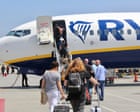
Rising fuel costs and geopolitical tensions are reshaping British holiday plans this summer. Travelers face a double pressure: soaring aviation fuel prices push package holidays higher, while fears of flight disruptions tied to Iran war concerns send many closer to home.
The European Entry/Exit System, EES, adds another layer of complexity for those still committed to continental travel. This new EU border registration system requires advance digital processing, creating additional friction for British travelers accustomed to simpler entry procedures. Combined with volatile fuel surcharges, the system tilts the cost-benefit calculation toward domestic options.
UK holiday operators report strong summer bookings as nervous travelers swap flights to the Algarve or Greek islands for staycations in Cornwall, the Lake District, and Scottish Highlands. This shift reflects a broader travel anxiety stemming from Middle East tensions rather than genuine safety concerns for most European routes. Still, the psychology works. When flights to Malaga cost more and require more planning hassle, a week in Brighton or a cottage in the Cotswolds suddenly looks smarter.
Budget-conscious families feel the pinch hardest. A fortnight in Portugal that cost 2,500 pounds two years ago now runs 3,200 to 3,500 pounds when fuel surcharges apply. Meanwhile, domestic hotel rates have climbed but remain relatively stable. Holiday parks in Dorset and self-catering cottages in Wales see reservation spikes.
Wealthy travelers prove less deterred. Luxury operators report steady bookings for Turkish villas, Swiss chalets, and Spanish coastal resorts among affluent clients immune to fuel surcharge anxiety. The divergence splits the market cleanly along economic lines.
The EES system, launching for EU entry, particularly affects frequent travelers and families with school-age children planning multiple trips. Its digital pre-registration requirement works smoothly for tech-savvy users but