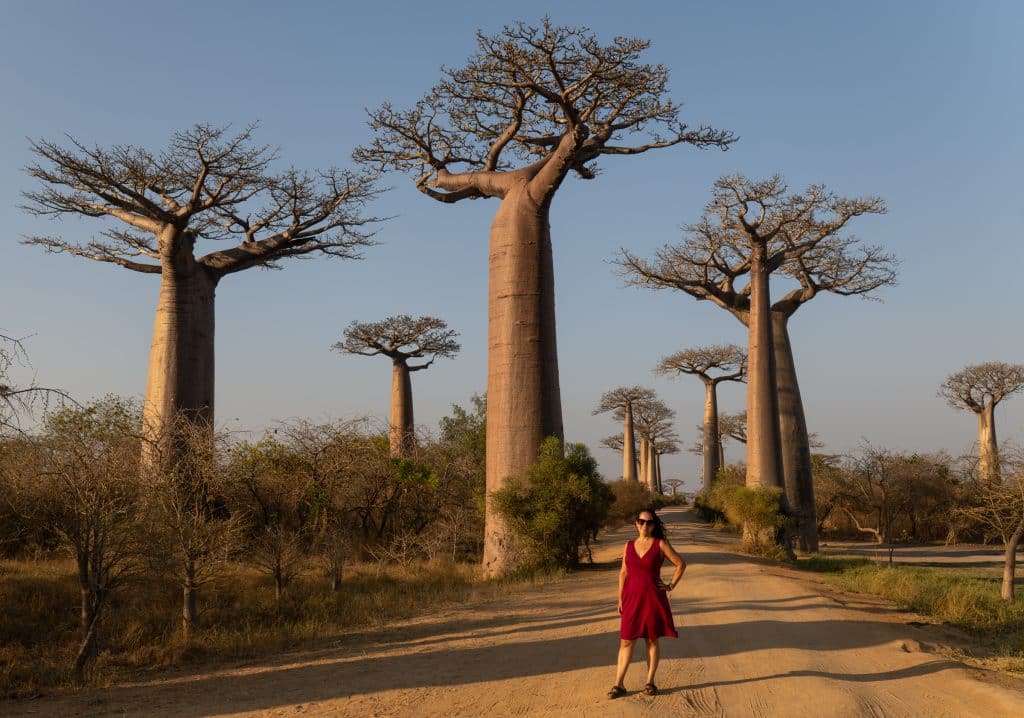
Madagascar offers travelers a raw, largely untouched destination where endemic wildlife, dramatic landscapes, and genuine hospitality converge. The Indian Ocean island ranks among the world's most biodiverse places, hosting lemurs, fossas, and chameleon species found nowhere else on Earth. Visitors encounter otherworldly terrain ranging from the red tsingy rock formations in the north to baobab-lined avenues in the west and rainforests in the northeast.
Tourism infrastructure remains minimal compared to other African destinations, which attracts adventurous travelers seeking authenticity over resort comfort. This underdeveloped tourism sector means fewer crowds at major sites like Île Sainte-Marie and the Isalo National Park, but also requires flexible expectations around accommodations and transportation. Visitors typically fly into Antananarivo via Air France, Air Austral, or Ethiopian Airlines, then navigate internal travel through Madagascar Air or by road.
The Malagasy people demonstrate warmth toward visitors despite limited English proficiency in rural areas. French serves as a practical second language for travelers. Local guides prove essential for wildlife spotting and cultural immersion, particularly in Andasibe-Mantadia National Park where nocturnal lemur viewing requires expert navigation.
Budget travelers find Madagascar remarkably affordable. Mid-range accommodations cost $20-50 nightly, meals run $5-15, and national park entries range from $5-12. However, transportation costs accumulate due to distances and road conditions. The wet season from November to March brings heavy rainfall and cyclone risk, making April through October ideal for visits.
Madagascar demands patience and flexibility. Roads lack paving in many regions, power outages occur regularly, and ATMs concentrate in major cities. Travelers with adventure mindset and realistic expectations discover one of Earth's most distinctive ecosystems and cultures. The island rewards those willing to venture beyond standard African safari