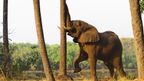
Zambia claims the title of world's walking safari capital, offering travelers an immersive alternative to traditional vehicle-based game viewing. The country's vast wilderness areas, particularly South Luangwa National Park and Lower Zambezi National Park, provide ideal terrain for guided walking expeditions that put visitors directly into the African bush.
Walking safaris in Zambia deliver intimate wildlife encounters impossible from a Jeep. Experienced guides lead small groups through pristine landscapes where guests track elephants, lions, leopards, and African wild dogs on foot. The slower pace allows for detailed observation of smaller creatures, birds, and plant life. Visitors hear the soundscape of the bush, feel the earth beneath their feet, and develop a deeper connection to the ecosystem.
South Luangwa National Park stands out as the epicenter of Zambian walking safaris. The park hosts expert outfitters like Chirundu and remote bush camps that specialize in multi-day walking expeditions. Most trips operate during the dry season from May through October, when wildlife concentrates near permanent water sources and visibility improves. Walking safaris typically cost between $3,000 and $8,000 per person for five to seven days, including accommodation, meals, and expert guides.
Lower Zambezi National Park offers similar experiences with the added drama of the Zambezi River's presence. Camps here combine walking safaris with canoe trips, providing varied perspectives on the landscape. The park remains less crowded than South Luangwa, appealing to travelers seeking solitude.
These safaris suit adventurous travelers in reasonable physical condition. The walking distances range from eight to fifteen kilometers daily, with breaks for rest and observation. Many operators accommodate different fitness levels by adjusting pace and duration.
Zambia's walking safari credentials rest on its low population density, minimal vehicle traffic, and strict conservation policies. Unlike more