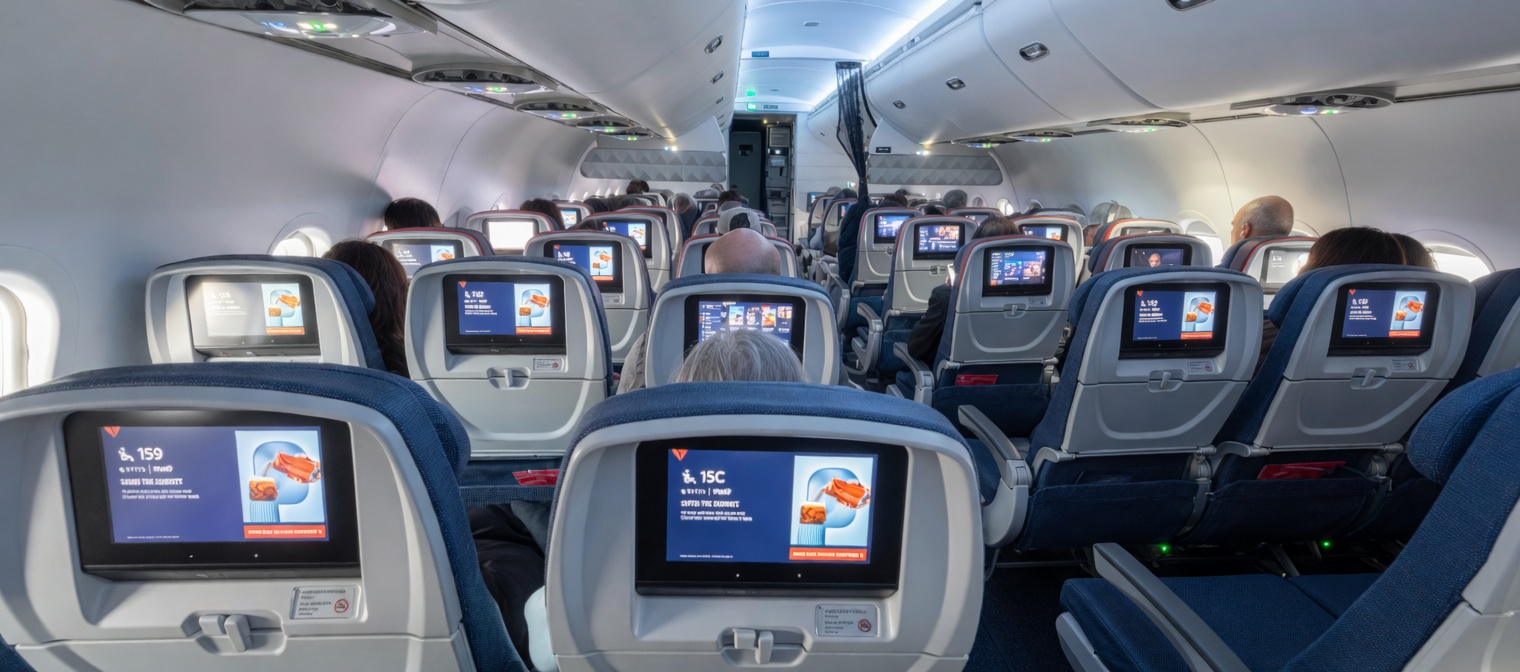
United Airlines will soon offer passengers superior inflight connectivity than Delta thanks to a failed negotiation between Delta and SpaceX's Starlink satellite internet service. According to an early SpaceX investor, Delta's deal collapsed because the carrier insisted on using its own branded portal to deliver Starlink service rather than accepting SpaceX's standard interface.
This disagreement cost Delta a significant competitive advantage. United, by contrast, accepted SpaceX's terms and is now racing to install Starlink across its entire fleet. The satellite-based system delivers dramatically faster speeds than traditional air-to-ground wifi networks that most carriers currently rely on. United passengers will experience streaming-quality connectivity at cruising altitude, a travel experience that Delta passengers won't access for years, if ever.
The distinction matters. Starlink operates through a constellation of low-earth-orbit satellites, delivering speeds around 100 Mbps per aircraft. Legacy systems like Viasat and Intelsat, which power inflight wifi on most US carriers, typically deliver between 10 and 40 Mbps, and performance degrades significantly when aircraft reach altitude. United's early adoption of Starlink positions the carrier to offer a genuinely premium travel experience.
Delta's insistence on a branded portal reflects traditional airline thinking about customer experience and data control. United recognized that accepting SpaceX's system as-is meant faster implementation and access to cutting-edge technology. That pragmatic approach now creates a meaningful gap in the passenger experience between the two carriers.
For travelers choosing between airlines, inflight connectivity has emerged as a legitimate differentiator. Business passengers working during flights will notice the speed difference immediately. Families streaming movies will experience fewer buffering interruptions. Casual passengers checking email or social media will appreciate reliable service at 35,000 feet.
United's Starlink rollout timeline remains aggressive, with installations expanding throughout