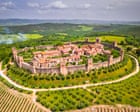
Florence's crowds have become unbearable, but Tuscany's lesser-known towns offer the region's finest treasures without the tourist crush. Six alternatives deliver Medici fortresses, Renaissance frescoes, Roman amphitheatres, and authentic Italian culture.
Overtourism has transformed Florence into a destination where locals outnumber visitors only technically. The city joins Barcelona, Venice, and Dubrovnik as a cautionary tale of travel excess. Travellers seeking Tuscan beauty now scout alternatives that capture the region's essence while preserving their experience.
Smaller Tuscan towns provide escape routes. These destinations feature world-class art and architecture without the selfie-stick chaos that defines Florence's Uffizi Gallery and Duomo. Medieval town centres remain walkable. Local restaurants serve meals to residents, not tour groups. Hotels maintain character rather than churning through packaged bookings.
Medici fortresses punctuate the Tuscan countryside, their presence reminding visitors that power and art spread far beyond Florence's limits. Frescoed churches in smaller towns display masterpieces that rival any museum collection. Roman amphitheatres stand in towns where you can touch stonework without fighting crowds or paying entrance fees inflated by overtourism economics.
The shift reflects broader travel trends. Post-pandemic travellers prioritize authentic experiences over bucket-list destinations. Travellers tire of spending holiday time queueing rather than exploring. Social media fatigue from iconic photo spots drives interest in places without Instagram-famous views.
Budget-conscious travellers benefit significantly. Smaller Tuscan towns charge substantially less for accommodation, meals, and attractions. A week in a secondary Tuscan destination costs a fraction of Florence's premium pricing. Regional trains connect these towns efficiently, making multi-destination itineraries practical for self-guided travellers.
Tour operators increasingly market Tuscany's