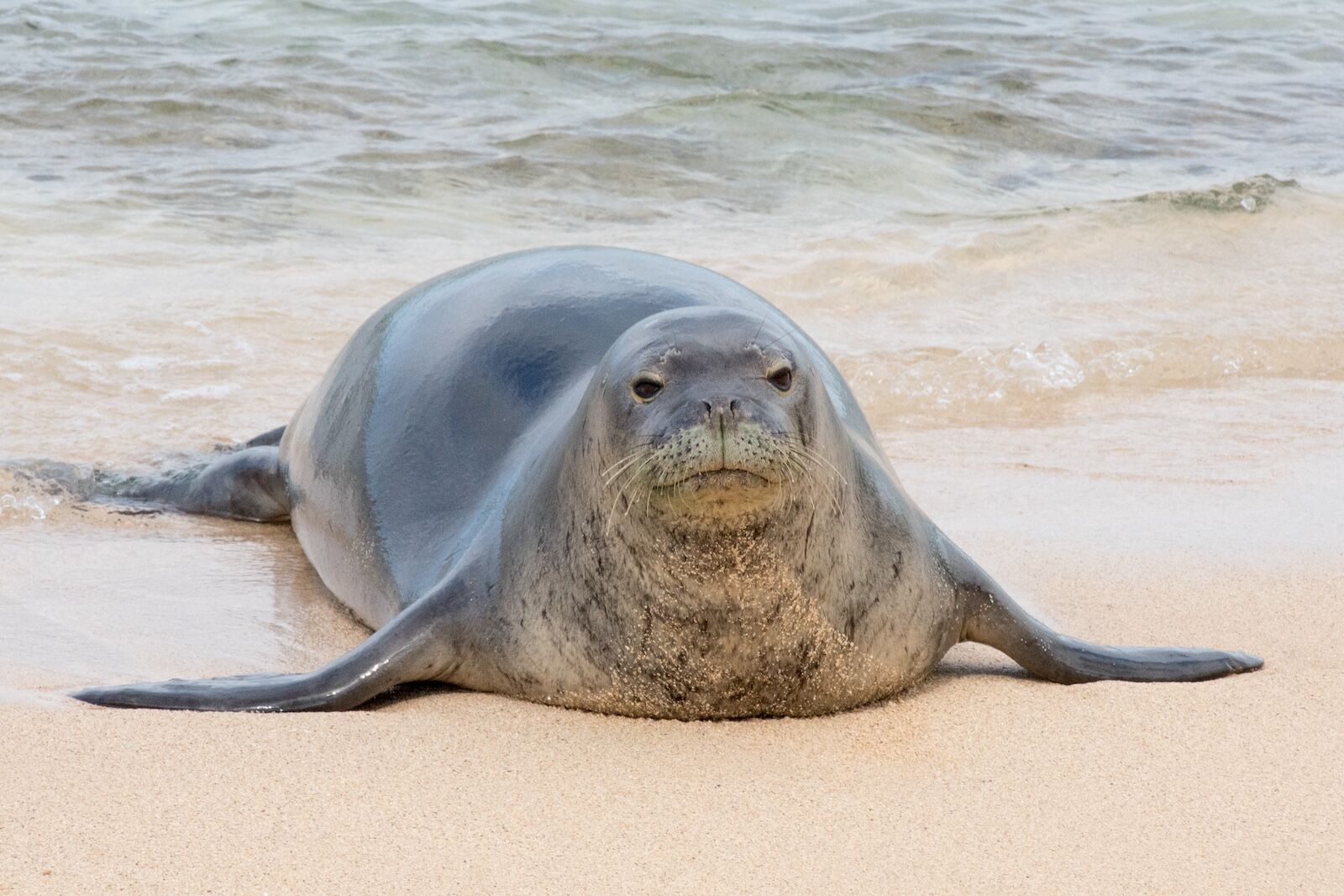
A tourist in Hawaii faces potential federal charges after allegedly attacking an endangered Hawaiian monk seal with rocks. The incident highlights growing tensions between wildlife protection and visitor behavior at popular destinations.
Federal authorities launched an investigation after the assault occurred at a public beach in Hawaii. Witnesses reported the tourist throwing rocks at the marine mammal, an action that violates the Marine Mammal Protection Act. The alleged attacker reportedly made dismissive comments about the consequences, stating "I don't care. I'm rich," according to reports.
If prosecuted and convicted, the tourist could face up to one year in federal prison and fines reaching $50,000. The Hawaiian monk seal, one of the world's most endangered marine mammals, receives federal protection status. The species numbers fewer than 1,400 individuals in the wild, making each incident a serious conservation concern.
This case reflects broader challenges at Hawaiian beaches where visitors increasingly disregard wildlife protection rules. Popular destinations like Hanauma Bay and various North Shore beaches in Oahu have implemented strict viewing distances and harassment protocols. Tour operators and hotels now include wildlife education briefings, yet violations persist.
Local conservationists note that incidents like this threaten both animal welfare and Hawaii's tourism reputation. The Hawaiian Islands host over 9 million visitors annually, with many traveling to experience native wildlife. Educational signage now appears at major beaches, warning visitors about legal protections and appropriate distances for marine mammals.
Tourism boards encourage visitors to respect 12-foot minimum distances from Hawaiian monk seals and to report violations to authorities. Violations carry serious consequences not just legally but ethically, as these endemic seals depend on undisturbed rest periods on beaches.
The case underscores how Hawaii balances welcoming tourism with preserving its unique ecosystem. Responsible travel practices protect both endangered species and the destination's long-term appeal for future visitors seeking authentic natural experiences.