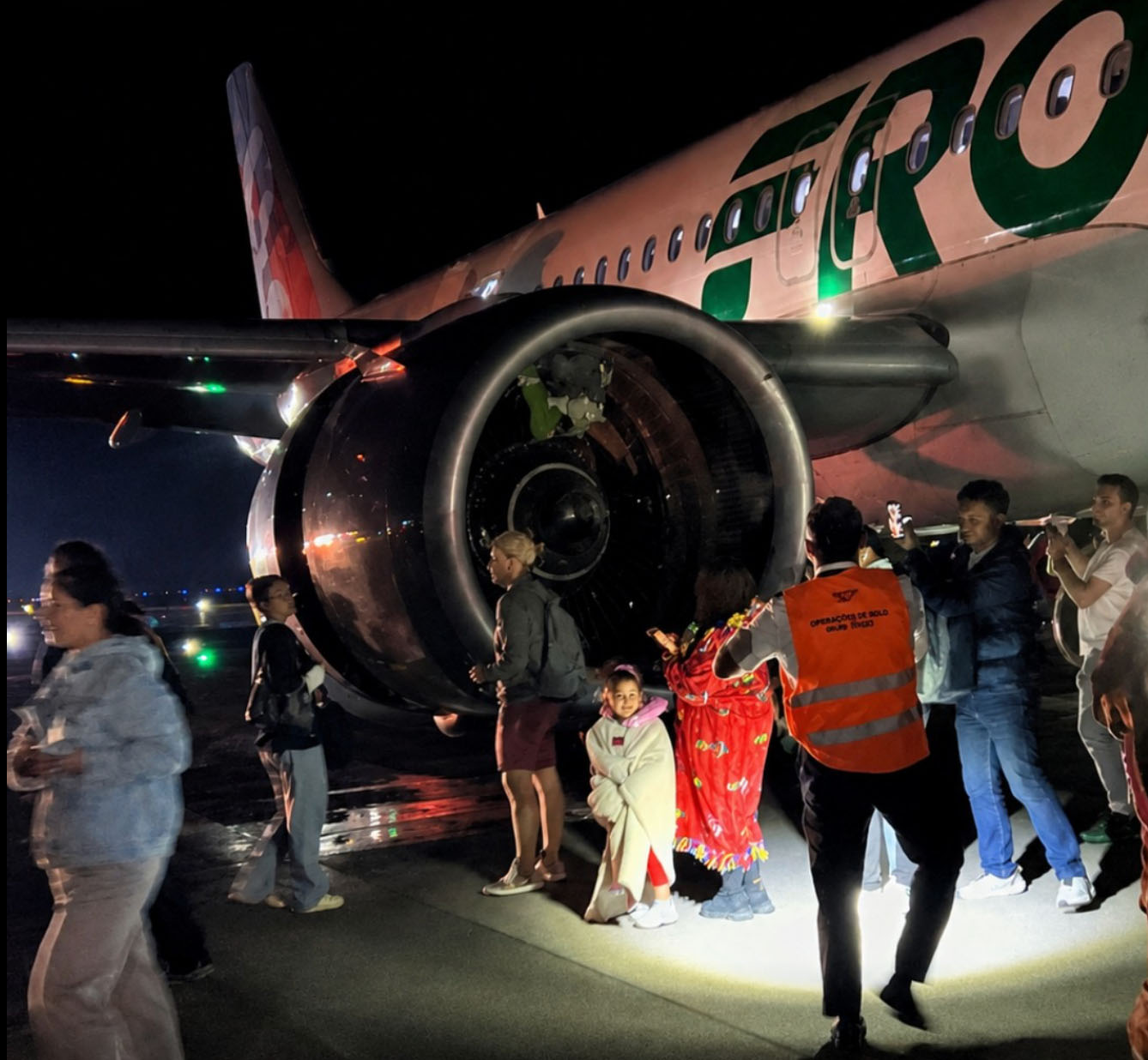
Frontier Airlines faced backlash after blaming a passenger for following evacuation protocol during an emergency. The passenger left her bags behind after flight attendants ordered her to evacuate without belongings, standard procedure during airplane emergencies. When she later contacted Frontier customer service about her missing luggage, an airline representative told her the loss was her fault for not defying the crew's explicit instructions.
Federal Aviation Administration guidelines require passengers to evacuate immediately without retrieving overhead bins or carry-on items during emergencies. Flight crews prioritize speed and safety over baggage retrieval. The passenger complied with these regulations and her crew's direct orders, yet Frontier held her responsible for the outcome.
This incident highlights a troubling customer service failure at the budget carrier. Frontier operates on razor-thin margins, offering some of the lowest fares in the U.S. market, but that business model does not excuse blaming customers for following emergency procedures correctly. The airline's response reveals either inadequate training for customer service representatives or a systematic approach to denying passenger claims.
Passengers traveling with Frontier should understand the airline's limitations. The Denver-based carrier charges for carry-on bags and personal items on many routes, keeps legroom minimal, and operates one of the largest ultra-low-cost fleets in North America. Budget airlines trade amenities and generous policies for lower ticket prices. However, basic customer service—particularly acknowledging when passengers follow instructions properly—costs nothing.
If you fly Frontier, document everything. Pack valuables in carry-ons when possible, purchase travel insurance that covers baggage loss, and keep records of crew interactions. Request written confirmation from flight attendants about evacuation orders if circumstances allow. The airline's defense strategy appears to shift responsibility to customers rather than accepting standard operating procedures.
This case underscores why travelers pay premium fares with legacy carriers like United, American, and Delta. Full