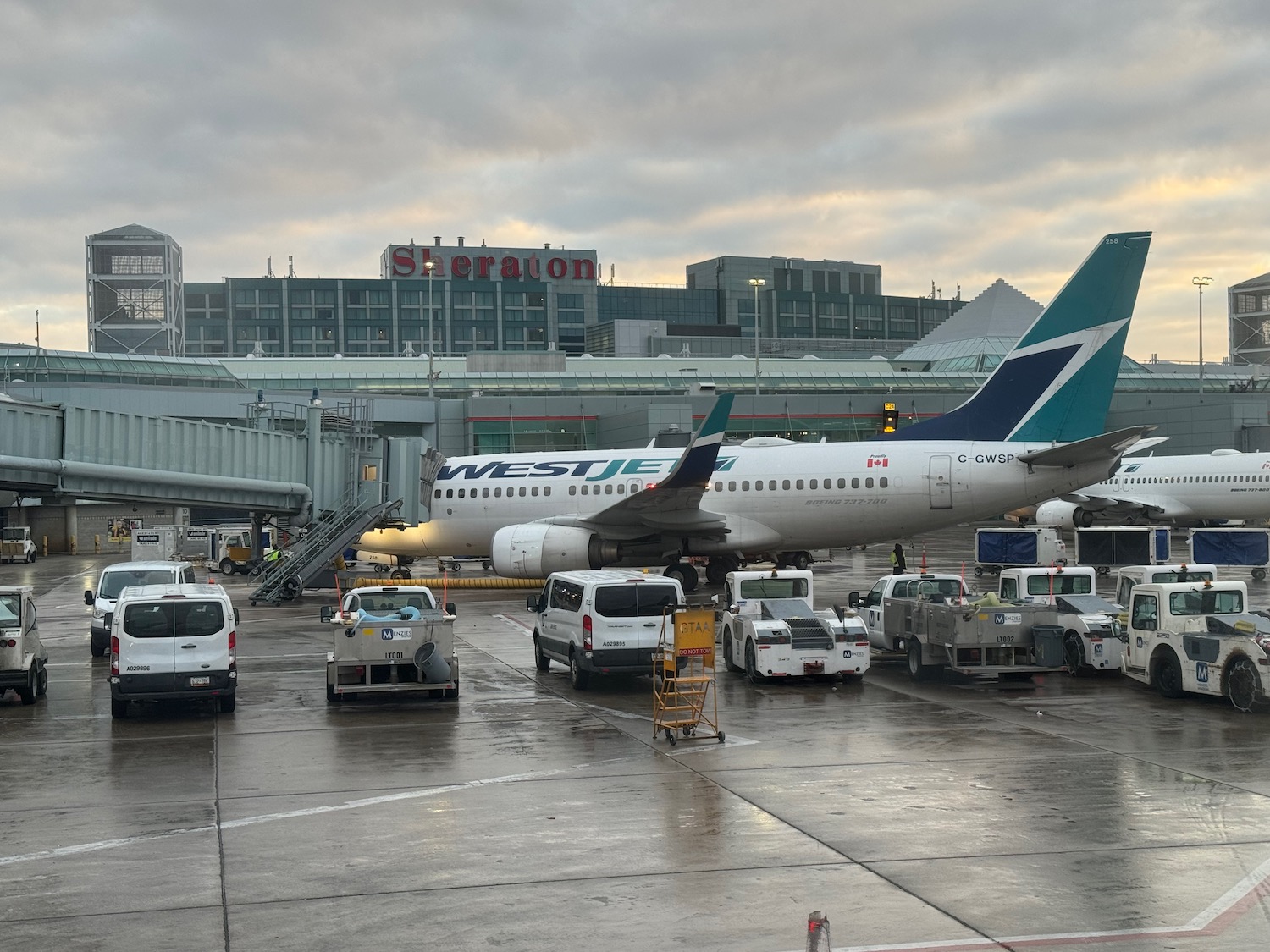
WestJet faces accusations of deliberately substituting broken aircraft onto scheduled flights to trigger cancellations and avoid passenger compensation obligations. The Canadian carrier allegedly swaps a serviceable plane with a damaged one, cancels the flight, then cites unplanned maintenance as the reason. This tactic exploits a loophole in Canada's Air Passenger Protection Regulations, which exempts airlines from paying compensation when cancellations stem from maintenance issues beyond their control.
Under Canadian regulations, airlines must provide cash compensation to passengers for significant flight disruptions. However, unplanned maintenance qualifies as an extraordinary circumstance, relieving carriers of financial liability. WestJet's alleged scheme weaponizes this exemption by engineering the very maintenance problems that justify non-payment.
Passengers affected by this practice lose their right to compensation despite the airline's deliberate actions causing the cancellation. Those stuck with cancelled WestJet flights receive rebooking or refunds but no cash payouts, which typically range from $400 to $2,400 depending on flight length and delay duration.
This allegation reflects growing frustration among Canadian travelers with airline compensation practices. WestJet, Canada's second-largest carrier after Air Canada, operates flights across North America and increasingly on international routes. The carrier has faced previous regulatory scrutiny over passenger rights compliance.
For travelers booking WestJet flights, this revelation highlights the importance of documenting everything. Passengers should photograph boarding passes, save all airline communications, and file complaints with the Canadian Transportation Agency if they suspect manipulation. Consider purchasing travel insurance that covers airline-caused cancellations, as compensation from the airline itself grows increasingly difficult to obtain.
The accusation underscores how airlines exploit regulatory gray areas. While WestJet has not publicly responded to these claims, the Canadian Transportation Agency may investigate if complaints accumulate. Travelers planning trips should research airline compensation practices and know