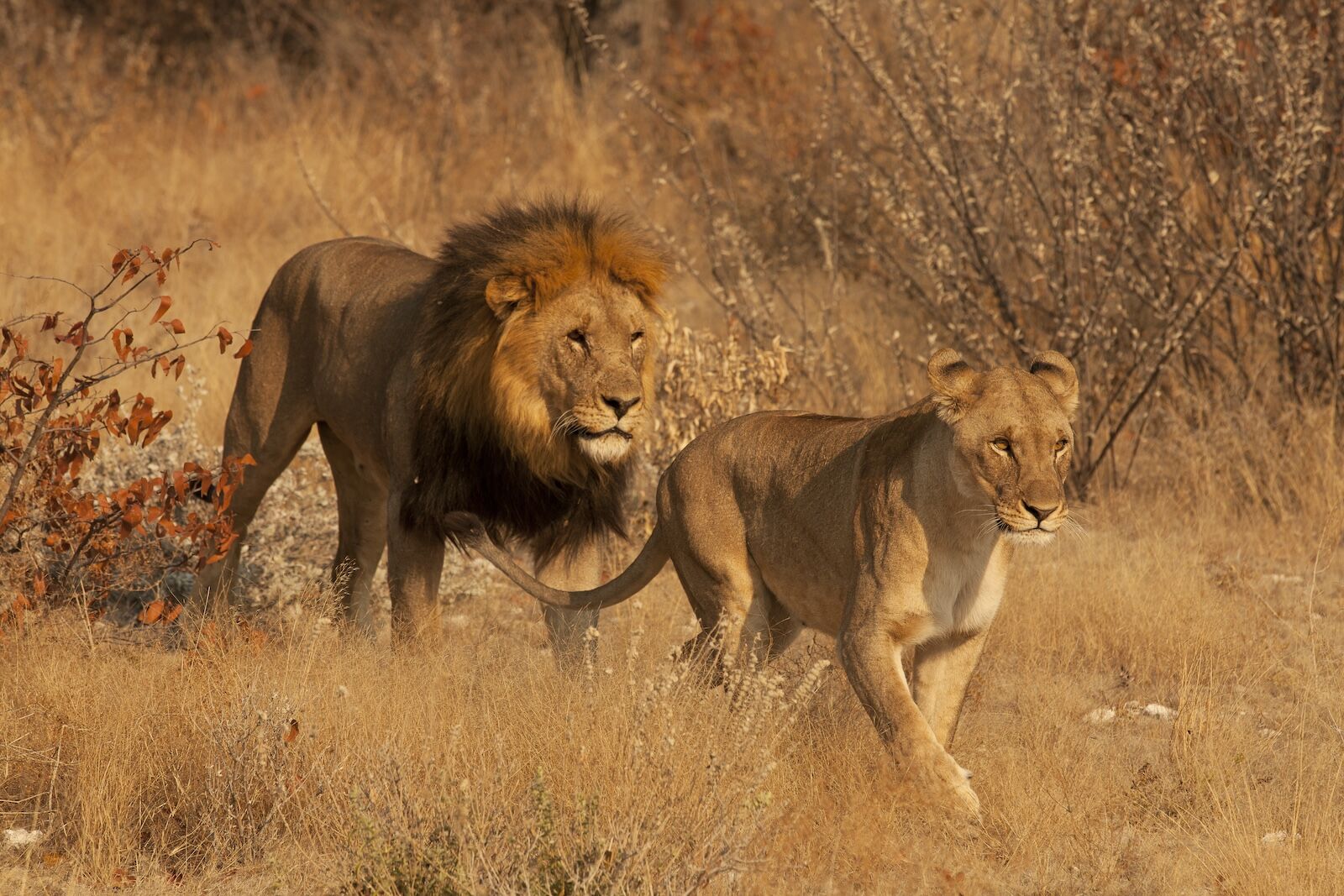
Lolelunga Private Reserve in northern Zambia has launched an unprecedented rewilding initiative, reintroducing captive lions to the Lunga River region for the first time in 15 years. The project began on April 12, 2026, marking the first attempt of its kind in the country to return bred lions to the wild landscape.
The reserve sits in remote wilderness territory where lion populations had vanished, creating an ecological gap in the region's predator hierarchy. By reintroducing these animals, Lolelunga aims to restore natural balance while testing whether captive-bred lions can successfully adapt to hunting and surviving in their native habitat. This approach differs from traditional conservation efforts that prioritize protecting existing wild populations.
Rewilding captive lions presents substantial challenges. These animals have limited hunting experience and may struggle with prey recognition, territorial behavior, and survival instincts dulled by captivity. The Lunga River's riverbanks provide essential water sources and attract wildlife, offering optimal conditions for the lions' gradual transition to independence. Reserve managers will likely implement monitored release phases, tracking the animals' behavior and feeding patterns during their adjustment period.
For travelers planning wildlife experiences in Zambia, this development opens exciting possibilities. The country attracts visitors to established reserves like South Luangwa National Park and Lower Zambezi, but rewilding projects like Lolelunga's create fresh narratives around conservation travel. Guests visiting northern Zambia can now witness active restoration efforts rather than static preservation. Operators working with the reserve may offer special access to observe the reintroduction program, combining safari experiences with education about wildlife rehabilitation.
Success here could reshape conservation strategy across southern Africa. If captive lions thrive after rewilding, other reserves might pursue similar programs, increasing predator populations across the region. This could strengthen tourism appeal for operators running