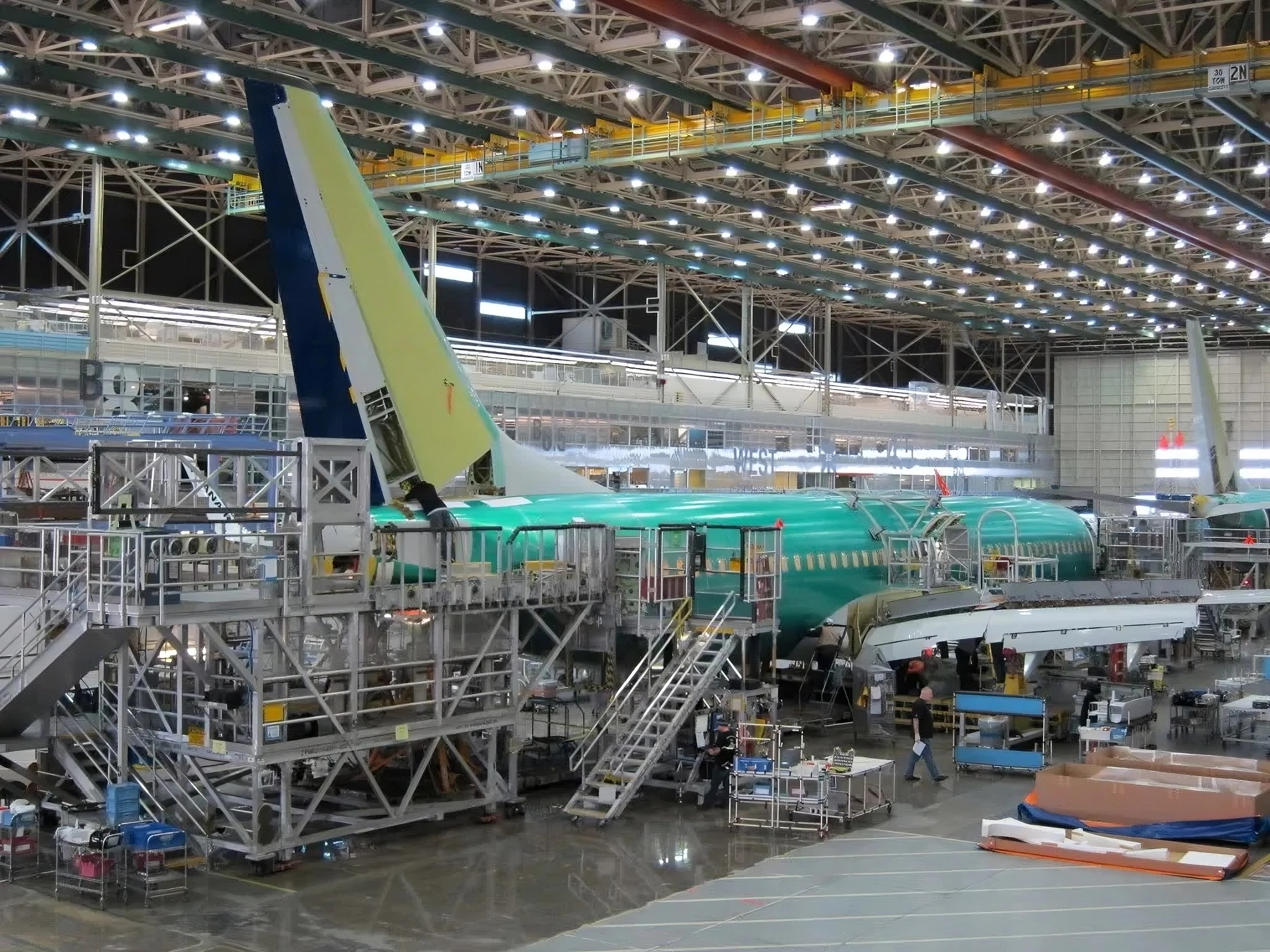
A Chicago jury delivered a landmark $49.5 million verdict against Boeing for the death of one passenger in the Ethiopian Airlines Flight 302 crash, setting a new benchmark for 737 MAX litigation. The March 2019 crash killed 157 people. Boeing admitted liability before trial, meaning the jury determined only the damages owed to the deceased passenger's family.
This verdict ranks as the largest civil award stemming from the 737 MAX disasters, which included two crashes killing 346 passengers total. Ethiopian Airlines Flight 302 and Lion Air Flight 610 grounded the aircraft for 20 months starting in March 2019.
The substantial award reflects the jury's assessment of the victim's life value, lost earnings, and family suffering. Boeing faced no dispute over fault. The 737 MAX returned to service in late 2020 after software fixes and additional pilot training requirements. Airlines including American, Southwest, and United resumed operations with the aircraft after FAA recertification.
Hundreds of remaining families from both crashes now hold a powerful reference point for settlement negotiations. The verdict essentially establishes that juries in the United States will award damages in the tens of millions per victim when Boeing's negligence directly caused death. This reality strengthens the negotiating position of families still pursuing cases against the aircraft manufacturer.
Boeing faces ongoing litigation from Ethiopian Airlines crash victims' families and Lion Air passengers. The company paid $2.5 billion in criminal penalties in 2021 and faced multiple civil lawsuits across jurisdictions.
For airline travelers, this verdict carries limited operational impact. The 737 MAX has completed over 500,000 flights since returning to service without major incidents. Safety modifications addressed the faulty Maneuvering Characteristics Augmentation System that caused both original crashes.
The financial pressure on Boeing from these verdicts accelerates the company's motivation to settle remaining cases quickly