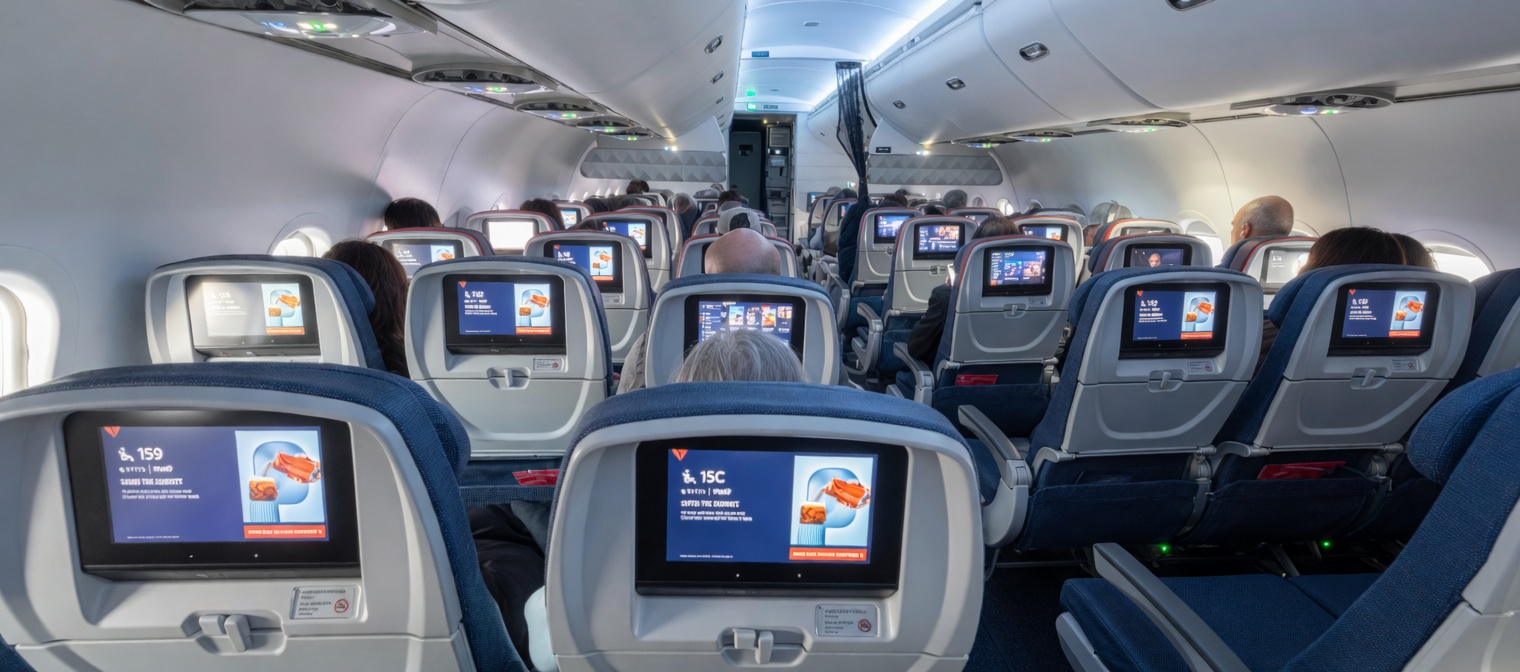
Elon Musk revealed that Delta Air Lines' partnership with SpaceX to equip aircraft with Starlink internet collapsed over a fundamental disagreement about how passengers access the service. Delta demanded that Starlink connectivity operate behind a portal, requiring users to authenticate and log in before browsing. SpaceX flatly refused that requirement.
The dispute exposes contrasting philosophies between the airline and the satellite internet provider. Delta operates a closed ecosystem where it controls passenger services through its own systems and platforms. SpaceX wants Starlink to function as open, unrestricted internet without portal barriers. Neither side was willing to compromise.
This dead deal carries real implications for Delta passengers. While competing carriers like United Airlines and American Airlines have moved forward with in-flight wifi improvements, Delta's fleet continues relying on traditional, slower connectivity solutions. Other airlines without such technical objections have proceeded with Starlink integration or similar satellite-based systems.
For travelers, this matters. Starlink's low-latency satellite internet would deliver significantly faster streaming, video conferencing, and browsing speeds at cruising altitude than current viasat or intelsat systems. Passengers on United flights will notice the difference when the carrier completes its Starlink rollout across its domestic fleet. Delta customers remain stuck with older technology until the airline finds an alternative provider willing to accept its portal requirements.
SpaceX's refusal to implement a portal reflects broader strategy. The company positions Starlink as utility-grade infrastructure, not a controlled airline service. Building authentication systems for individual carriers fragments the service and complicates operations. From SpaceX's perspective, Starlink works best as plug-and-play infrastructure.
This standoff illustrates how legacy airline systems clash with modern internet expectations. Airlines fear losing passenger data collection and marketing opportunities without portal access. Tech companies prioritize seamless user experience. Until Delta accepts open-