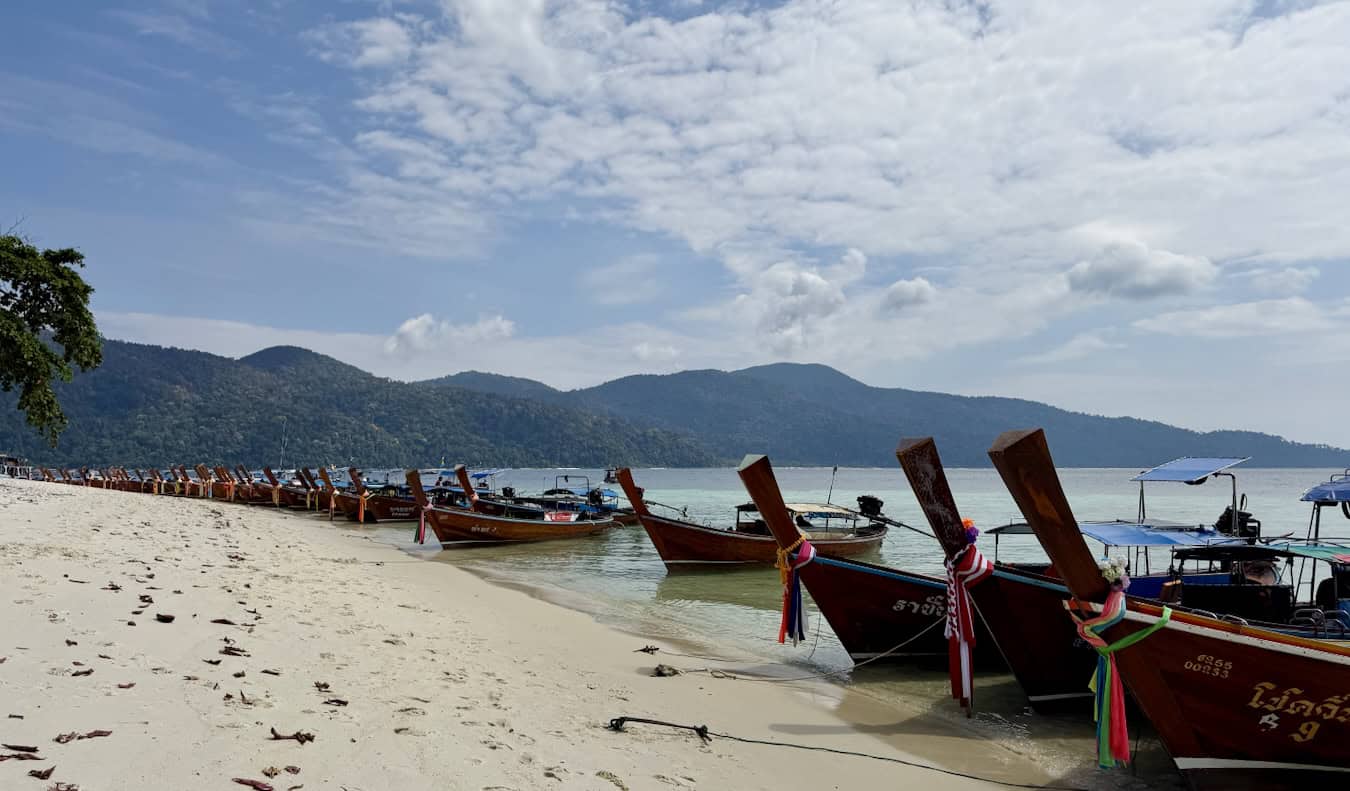
Ko Lipe, the Thai island that once epitomized remote paradise for backpackers, has transformed dramatically in two decades. A travel journalist who spent nearly a month there in 2006 returned after 19 years to find the destination unrecognizable.
The change reflects a broader pattern across Southeast Asia's hidden gems. Ko Lipe, located in Thailand's Satun Province near the Malaysian border, operated on minimal infrastructure when few travelers knew its name. Electricity ran only a few hours daily. Accommodations consisted of basic beachfront bungalows. The island required genuine effort to reach, filtering out casual tourists.
Today's Ko Lipe tells a different story. Infrastructure development has accelerated dramatically. Reliable electricity now powers resort operations. Modern hotels have replaced rustic bungalows. Daily ferry services connect the island to mainland Thailand. Tour operators now package Ko Lipe as an accessible destination rather than an adventure.
This transformation captures a travel trend playing out globally. Destinations that attracted adventurous travelers seeking authenticity and solitude become commercialized once accessibility improves and word spreads. The same forces that made Ko Lipe appealing to early visitors, its remoteness and undeveloped character, inevitably erode as tourism infrastructure expands.
The economic benefits for locals are real. Employment opportunities, improved healthcare access, and education improvements accompany tourism development. However, the trade-off involves lost character and authentic experience.
For travelers planning Southeast Asian trips, Ko Lipe's evolution raises questions about timing and expectations. Those seeking the version described in 2006 travel blogs will find disappointment. The destination now competes with other Thai islands like Koh Samui and Phuket rather than standing apart as an undiscovered refuge.
Alternatives remain. Smaller islands in the Satun archipelago still offer quieter experiences.