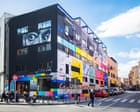
Madrid's creative class is decamping to Carabanchel, a working-class neighborhood south of the River Manzanares, as the city's center grows prohibitively expensive. The district, now the capital's most populous, functions as a semi-autonomous cultural hub where artists, musicians, and designers have transformed former factories and metalworks into studios and galleries.
Carabanchel operates almost like "an independent republic" according to locals cited in reporting on the neighborhood's renaissance. The area was annexed to Madrid in 1948 after existing as a separate municipality and subsequently developed into concrete high-rise housing blocks designed to accommodate postwar migration from Spain's provinces and Latin America. For decades, it remained invisible to tourists and affluent madrileños.
That invisibility now works to Carabanchel's advantage. With central Madrid neighborhoods like Sol, Gran Via, and Malasaña commanding premium rents driven by short-term rental demand and luxury retail, younger creatives have crossed the Manzanares seeking affordable studio space and breathing room. The pattern mirrors gentrification cycles in New York's outer boroughs and Berlin's Kreuzberg district, where artist-led neighborhood transformation eventually attracts restaurants, galleries, and boutique hotels.
Carabanchel offers serious square footage at fractions of central Madrid prices. A converted factory loft easily costs half what comparable space commands in Chueca or Malasaña. Street art now covers entire building facades. Pop-up galleries operate from storefronts. Independent cafes and pintxo bars cater to the emerging creative community rather than tour groups.
The neighborhood retains authentic character precisely because tourism infrastructure remains minimal. Public transport connects Carabanchel to central Madrid via Metro Line 6, making it accessible without feeling colonized. The Manzanares riverbank provides green space and weekend