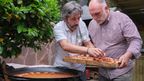
José Andrés, the renowned Spanish chef and humanitarian, breaks down the essentials for authentic tapas enjoyment in Spain. Rather than treating tapas as mere appetizers, Andrés emphasizes that these shared snacks form the backbone of Spanish social culture and dining tradition.
The key to proper tapas consumption involves understanding regional variations across Spain. Barcelona's pintxos differ dramatically from Madrid's classic offerings like jamón ibérico and patatas bravas. Andrés stresses ordering multiple small plates meant for sharing rather than individual portions, which allows diners to experience the full spectrum of flavors and textures a bar offers.
Timing matters significantly. Tapas bars in Spain operate during specific windows, primarily evening hours around 7 to 9 p.m. when locals gather before dinner. This social aspect separates authentic tapas culture from tourist-oriented versions found in many international restaurants. Andrés recommends visiting established neighborhood spots in areas like Madrid's La Latina district or Barcelona's Gothic Quarter where locals still frequent.
Quality ingredients define proper tapas. Andrés emphasizes sourcing cured meats from traditional Spanish producers, fresh seafood, and locally-sourced vegetables. Pairing selections with Spanish wines, sherries, or local beers enhances the experience rather than detracts from it.
The social ritual proves equally important as the food itself. Andrés advocates lingering at the bar, engaging with bartenders and fellow diners, and allowing meals to unfold naturally rather than rushing through courses. This leisurely pace contrasts sharply with grab-and-go dining prevalent elsewhere.
For travelers planning Spanish visits, Andrés recommends avoiding tourist-heavy establishments near major attractions. Instead, venture into residential neighborhoods where authenticity thrives. Small family-run bars in Seville's Triana neighborhood or Valencia's Barrio del Carmen offer genuine experiences