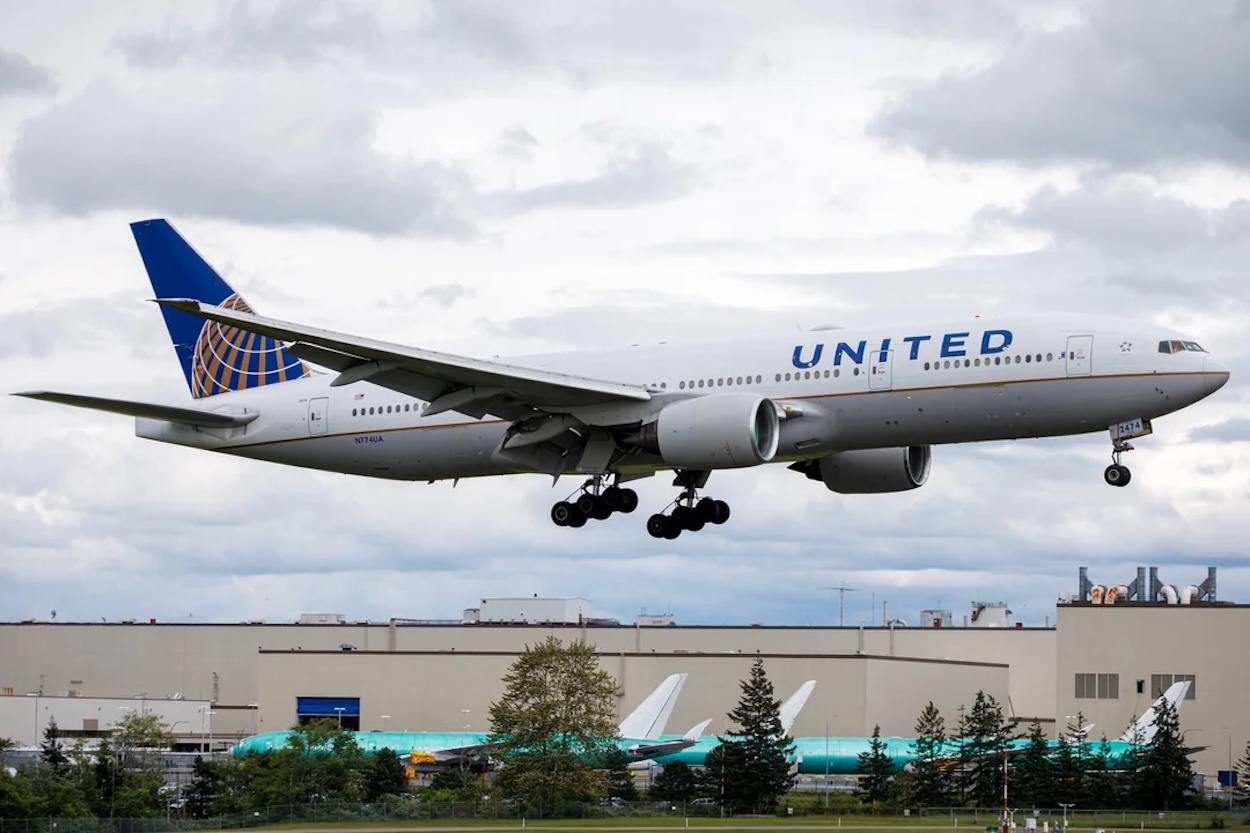
United Airlines returned N774UA, the world's oldest active Boeing 777, to Boeing's Paine Field facility in Washington state this week for what company insiders labeled a "press event." The aircraft, which first entered service in 1995, marks a pivotal moment in United's fleet modernization strategy and fuels speculation about the carrier's long-anticipated 777X order.
The 777 has defined United's long-haul network for nearly three decades. N774UA completed its final revenue flight before heading to Paine Field, where Boeing manufactures and tests its newest widebody aircraft. The symbolic return of United's oldest 777 to Boeing's headquarters suggests the carrier may be preparing announcements regarding aircraft orders or fleet transitions.
Industry observers view this development as a potential catalyst for United to finally commit to Boeing's 777X, the next-generation variant featuring composite wings, advanced avionics, and dramatically improved fuel efficiency. The 777X promises 12% better fuel economics and can seat up to 414 passengers in three-class configurations, positioning it as a direct competitor to Airbus's A350.
United has maintained a substantial 777 fleet for transpacific routes to Asia and Europe, but aircraft aging becomes inevitable. The airline's interest in the 777X aligns with broader industry trends favoring fuel-efficient widebodies as carriers navigate volatile fuel prices and sustainability pressures. Boeing has faced delivery delays with the 777X program, with entry-to-service now targeted for late 2025.
For travelers, this matters considerably. Newer 777X aircraft feature larger windows, improved cabin pressure systems, and enhanced entertainment on long-haul routes where United dominates. Passengers booking United's transpacific premium cabin would eventually experience significantly more comfortable products. The 777X also promises lower operating costs for airlines, potentially translating to more competitive fares on