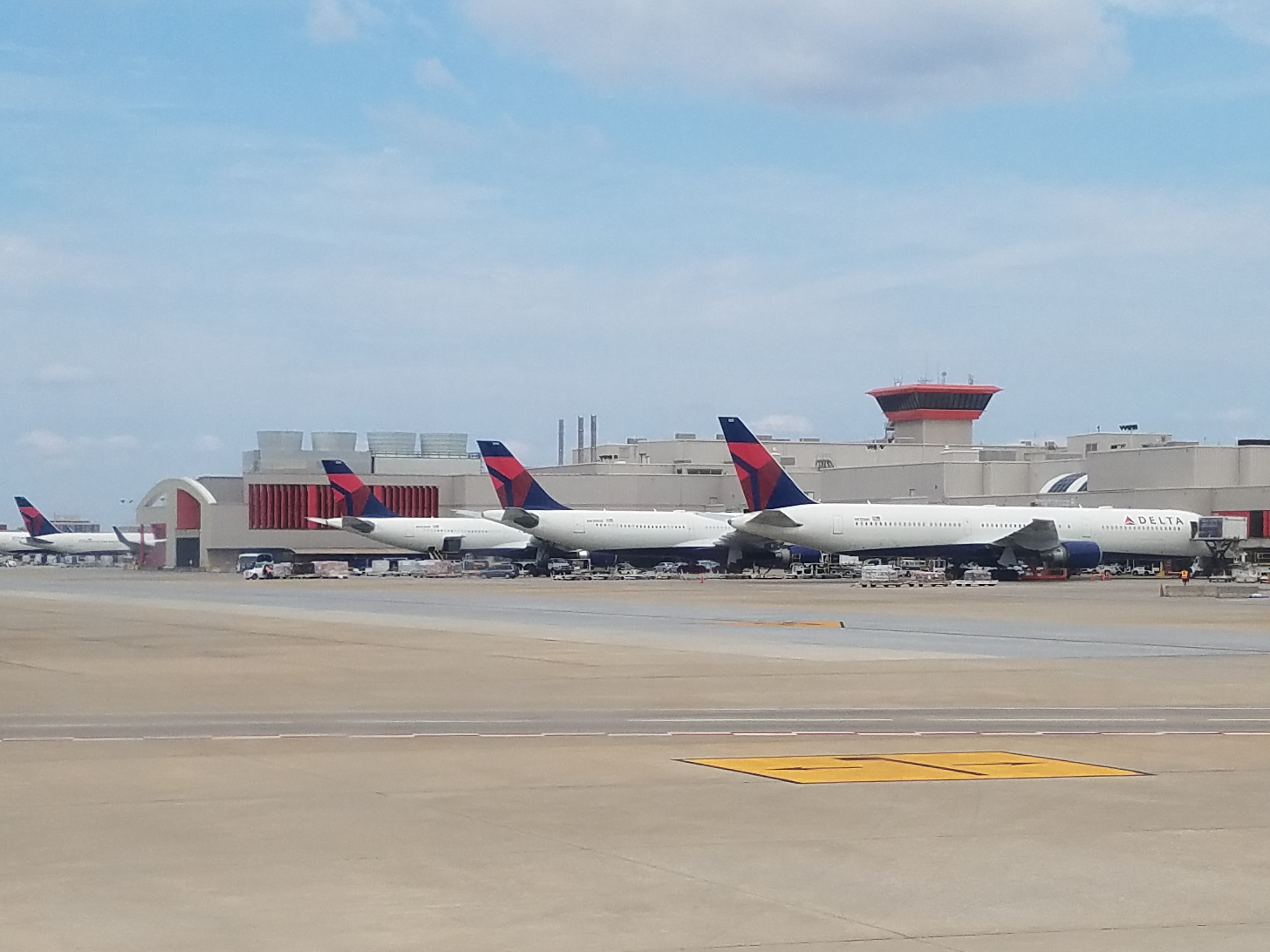
Warren Buffett's Berkshire Hathaway reversed course this week, purchasing a $2.6 billion stake in Delta Air Lines. The move marks a striking shift for an investor who spent decades warning that airlines destroy shareholder capital.
Buffett famously joked that he needed to talk investors down from buying airlines, comparing the sector to an addiction. Yet Berkshire now holds major positions across the industry. This represents the firm's third significant airline investment after previous exits from the sector.
The Delta purchase signals that Buffett sees value in today's aviation landscape. Airlines have restructured their business models substantially since his earlier warnings. Consolidation reduced excess capacity. Fuel hedging became more sophisticated. Ancillary revenue streams expanded. These shifts addressed core problems Buffett identified decades ago.
Delta specifically operates as one of North America's "Big Three" carriers alongside American Airlines and United. The Atlanta-based airline maintains strong brand recognition, commanding pricing power on domestic and international routes. Its loyalty program generates recurring revenue. The carrier operates hubs in Atlanta, Detroit, Minneapolis, and Salt Lake City, providing network advantages competitors struggle to replicate.
For travelers, the Berkshire investment carries limited immediate implications. Fares won't drop because a billionaire bought shares. However, it signals confidence in Delta's long-term profitability. Major institutional investors dumping stakes in an airline would spark concern about route viability or fleet economics. Buffett's vote of confidence works the opposite direction.
The timing matters. Airlines report strong booking patterns heading into 2025. Business travel has recovered. Leisure demand remains steady. Fuel prices, which Buffett identified as a major profit killer, have moderated from pandemic peaks. These conditions create the exact environment where airline economics improve enough to generate acceptable returns.
Investors planning trips should view this as a bullish signal on airline stability.