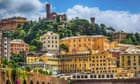
Genoa emerges as Italy's overlooked city break alternative, offering travelers a compelling blend of high art, maritime history, and unpretentious dining that rivals better-known northern Italian destinations like Turin, Milan, and Bologna.
The Ligurian capital, birthplace of Christopher Columbus and inventor of focaccia and blue jeans, presents a different rhythm than its famous neighbors. Visitors typically rush through Genoa's airport en route to the Italian Riviera, missing a destination rich with cultural depth and culinary excellence. The city's narrow geography, squeezed between the Ligurian Apennines and the Mediterranean Sea, creates an intimate urban landscape rarely wider than two kilometers.
Genoa's appeal centers on its working-port authenticity. Unlike polished Milan or Renaissance Florence, this ancient harbor city maintains gritty charm alongside world-class museums and galleries. The city balances high art institutions with unpretentious bars and restaurants serving traditional Ligurian cuisine, where pesto sauce originated and focaccia remains a daily staple rather than a tourist novelty.
The restaurant and nightlife scene reflects local culture rather than tourist expectations. Travelers find authentic dining experiences in neighborhood trattorias rather than upscale establishments. The shopping reflects genuine urban commerce, with local boutiques and markets offering regional products alongside contemporary retail.
Genoa's tourism infrastructure remains underdeveloped compared to Italy's A-list destinations, translating to lower prices and fewer crowds. Accommodations range from budget-friendly options to mid-range hotels, with dining costs substantially cheaper than Milan or Bologna. Direct flights from major European hubs via budget carriers like Ryanair keep access affordable.
The city's waterfront regeneration has improved walkability while preserving historic character. Travelers can navigate the labyrinthine caruggi (narrow alleys) that define the medieval center, discovering