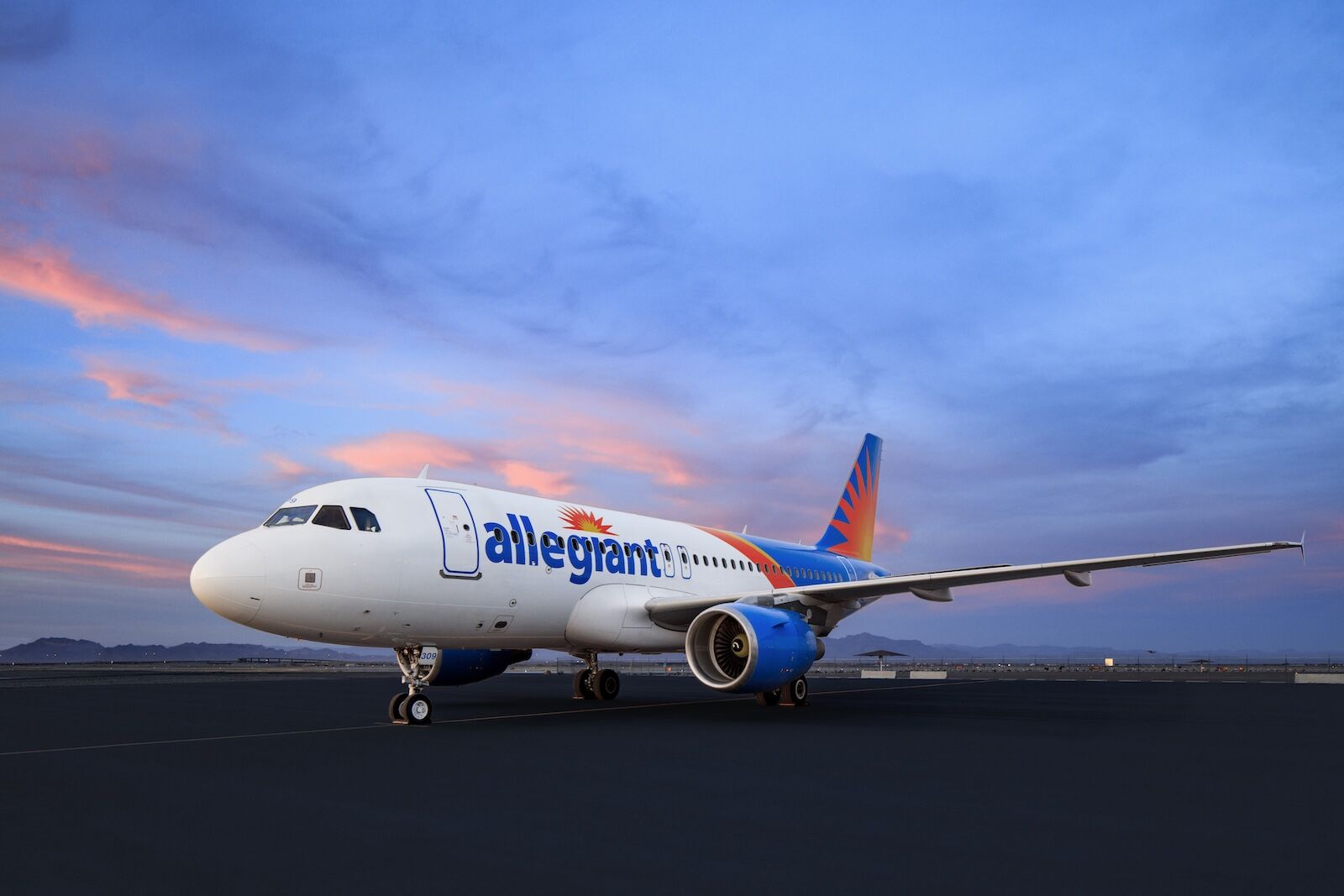
# Budget Airlines Merge After Spirit's Collapse
The U.S. low-cost carrier landscape just shifted dramatically. Following Spirit Airlines' bankruptcy filing last November, two remaining budget carriers are consolidating operations. This merger creates a simplified network across one airline, offering passengers expanded route coverage without having to juggle multiple carriers for their budget trips.
The consolidation reflects industry pressures that have squeezed budget airlines hard. Spirit's collapse left a void in the ultra-low-cost segment, where carriers compete on razor-thin margins. Fuel costs, labor negotiations, and passenger demand fluctuations have forced weaker players out. The remaining merger combines operational resources, allowing one airline to serve more destinations with fewer redundancies.
For travelers, the immediate benefit is straightforward: more flight options through a single booking system. Instead of checking two separate websites, budget-conscious fliers access an expanded route network on one platform. This typically means better connections between what were previously separate hubs, lower fares through increased competition on overlapping routes, and simpler logistics for multi-leg journeys.
However, consolidation also brings risks. Fewer competitors historically leads to higher fares over time. The merged airline may rationalize routes in less-profitable markets, leaving some regions with fewer options. Loyalty program changes could affect frequent fliers. Staff integrations often create operational hiccups during the transition period.
The broader travel ecosystem matters here. With major carriers like Southwest, American, and Delta controlling most of the market, strong budget alternatives keep prices competitive across the industry. Each merger reduces that competitive pressure. The loss of Spirit already eliminated one aggressive price competitor. This latest consolidation narrows choices further.
For travelers planning trips in coming months, book early. During merger transitions, schedules shift, fares fluctuate unpredictably, and service quality often dips temporarily as airlines integrate systems. After the dust settles,