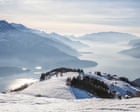
Rail travel through Europe's Alpine passes is experiencing a renaissance. UK train journeys jumped 7 percent in 2025, reflecting a broader European shift away from flying toward slower, scenic overland routes. A winter journey across the Swiss Alps to Turin showcases this trend perfectly.
The route spans roughly 1,800 miles across five countries, threading through historic Alpine railways and Italian lake regions. Daytime travel on these scenic corridors lets passengers absorb the landscape rather than sleep through it. The combination of Alpine passes and Italian cultural destinations appeals to travellers seeking substance over speed.
Turin itself anchors the itinerary as the cultural payoff. Italy's northwestern city delivers world-class museums, Baroque architecture, and automotive heritage at the Museo Nazionale dell'Automobile. The journey rewards patience with panoramic windows framing snow-capped peaks, glacial valleys, and lakeside villages that no highway can match.
This travel pattern reflects broader booking trends. Overland rail appeals to environmentally conscious travellers and those rejecting aviation's carbon footprint. Seat61.com and similar resources now document Alpine rail routes with detail that makes multi-country train journeys accessible to independent travellers. Winter travel on these routes costs significantly less than peak season, with standard rail passes and point-to-point tickets offering flexibility that flight itineraries cannot.
The slow-train model also reclaims the romance of pre-jet travel. Historic mountain railways, some dating to the 19th century, operate year-round. Tunnels carved through peaks still deliver that sensory jolt of darkness-to-light that drives rail enthusiasm.
For 2025 travellers planning Alpine winter breaks, the maths favour trains over flights. Lower carbon guilt, reserved seating with table service on major routes like Switzerland's Glacier Express or Italy's Bernina Express, and ticket flexibility create experiences that supers