# The Shrine Where People Pray for Concert Tickets
Japan's temples and shrines attract millions of visitors annually, but one particular landmark has developed an unexpected modern following. People now visit this centuries-old shrine to pray for concert tickets, tapping into ancient traditions in pursuit of contemporary desires.
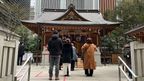
The shrine, whose existence has drawn crowds seeking spiritual intervention for hundreds of years, now hosts visitors hoping for luck with ticket lotteries and concert access. Worshippers follow time-honored rituals, making offerings and prayers at the altar while clutching concert information or tickets in hand. This blend of traditional spirituality and pop culture reflects how Japan's visitors weave modern aspirations into age-old practices.
The phenomenon speaks to Japan's unique relationship with both tradition and entertainment culture. Concert tickets in Japan, particularly for popular artists, sell out within minutes. Fans turn to shrines as a final option when standard purchasing methods fail. The practice normalizes seeking divine intervention for everyday frustrations, transforming a sacred space into an unconventional ticketing solution.
This hidden landmark remains relatively unknown to casual tourists, making it a genuine discovery for those researching off-the-beaten-path Japanese destinations. The shrine's mystique grows with each success story shared on social media, creating a self-reinforcing cycle of pilgrims seeking luck.
Travel planners should note that while the shrine welcomes visitors, respecting its religious significance remains essential. Photography rules apply, and proper shrine etiquette matters. Visitors should approach offerings and prayers respectfully, treating this not as a novelty tourist attraction but as a functioning place of worship.
The shrine demonstrates how travel experiences increasingly blend cultural authenticity with personal connection. Rather than simply observing traditions, travelers actively participate in them, creating hybrid experiences that honor centuries-old practices while addressing modern concerns. This intersection of ancient and contemporary Japan offers visitors meaningful engagement with Japanese culture beyond typical tourist circuits