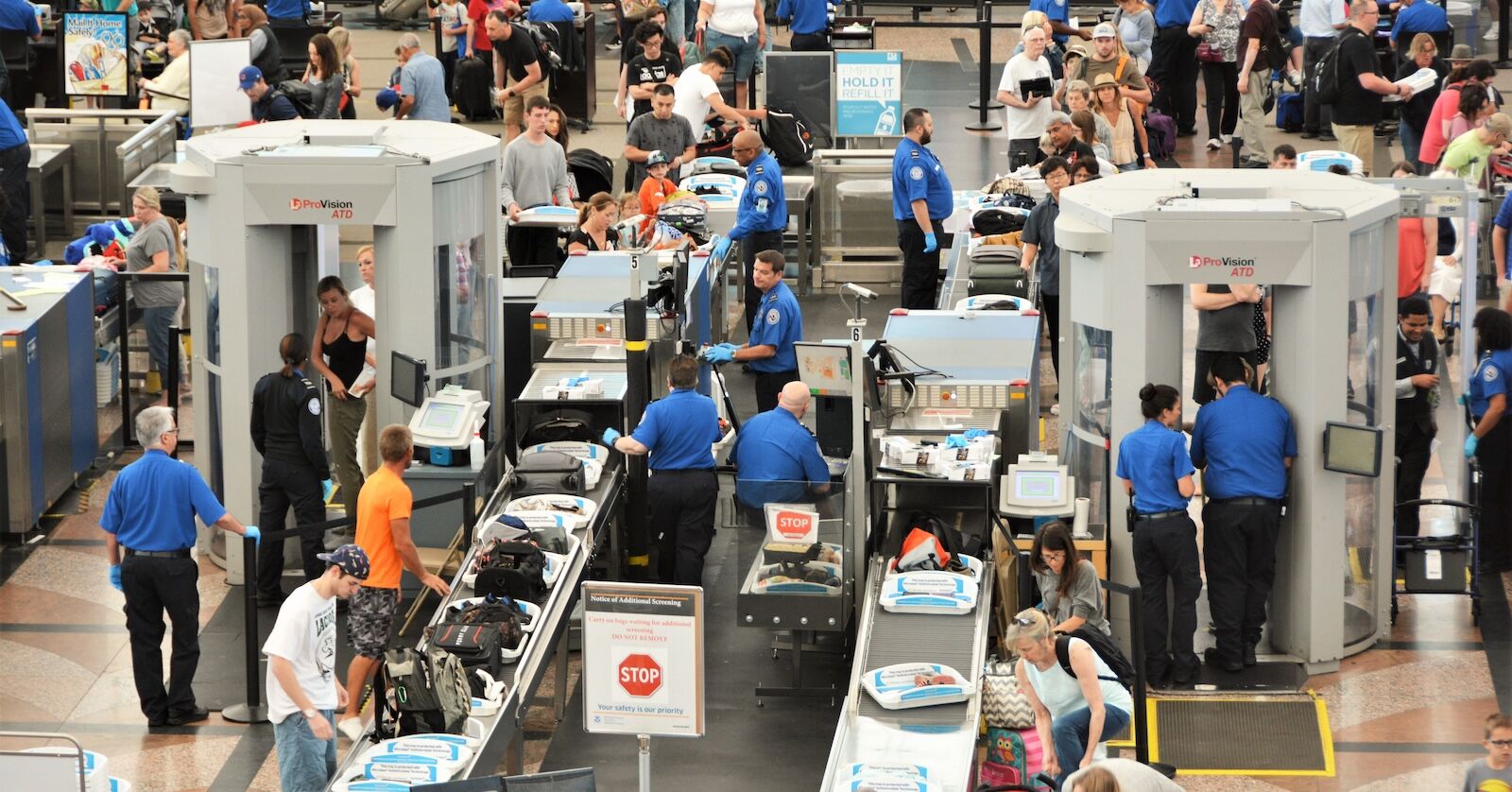
The Transportation Security Administration now permits passengers to carry medical cannabis through airport security checkpoints, marking a shift in federal travel policy. However, the agency has declined to provide clear guidance on how travelers should pack, declare, or transport their medication.
TSA officials confirmed that medical cannabis no longer triggers automatic confiscation during screening, provided it complies with state laws where the passenger travels. The catch: passengers remain vulnerable to law enforcement intervention. If TSA agents discover cannabis during baggage screening, they can still contact local police, who may enforce stricter federal or state regulations than TSA policy allows.
This ambiguity creates real problems for medical cannabis users. A traveler with a valid prescription in California faces potential arrest if flying to a state where medical cannabis remains illegal. The same applies to international destinations, where U.S. federal law prohibits cannabis entirely. TSA's position effectively punts responsibility to state and local authorities while offering no official protocols for declaration or documentation.
The policy change reflects evolving state legalization across America, where 38 states now permit medical cannabis use. Yet the agency's refusal to publish detailed guidelines leaves patients guessing about risks. Questions remain unanswered: Should passengers declare their medication in writing? Which forms of cannabis qualify (flower, oils, edibles)? How much counts as reasonable medical use?
Industry observers note TSA's approach creates a gray zone rather than genuine permission. Airlines face separate liability questions. Most major carriers, including American Airlines, United Airlines, and Delta Air Lines, have not updated their specific policies to match TSA's stance. Some flight attendants report confusion about enforcement.
For travelers with legitimate medical needs, the practical advice remains conservative. Pack medication in original, labeled containers with prescription documentation. Research destination state laws before travel. Contact your airline directly before booking. The TSA's permissive stance offers hope, but without official guidance, medical cannabis patients boarding flights still