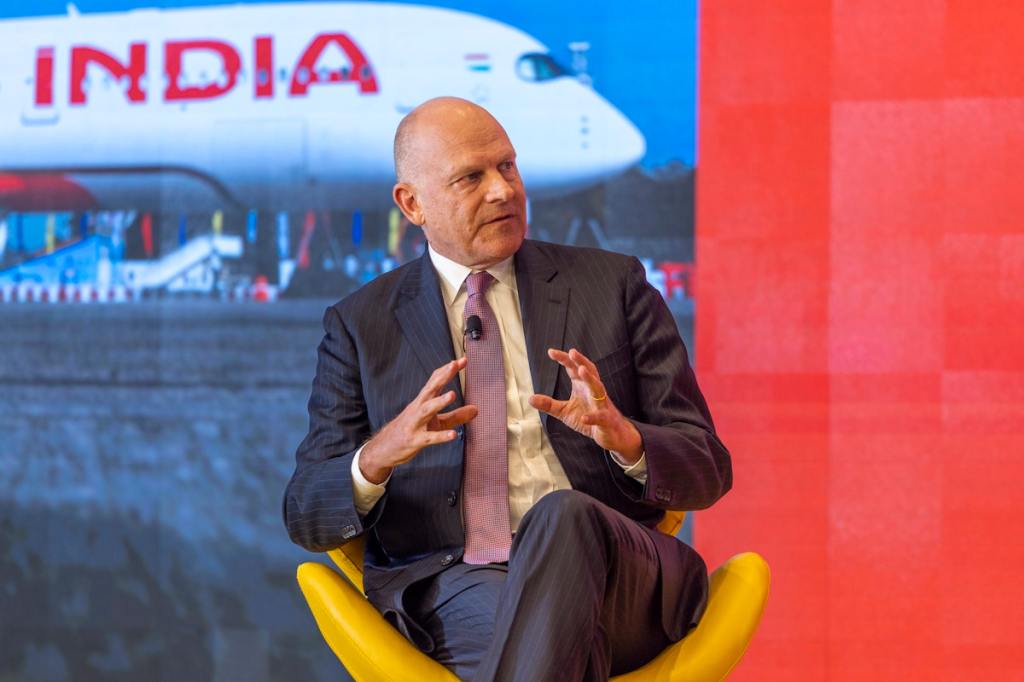
Air India's outgoing CEO faces serious headwinds as the carrier navigates geopolitical turbulence and heightened regulatory oversight following a fatal aircraft accident. The transformation agenda that the airline envisioned has stalled considerably, with leadership acknowledging the road ahead demands sustained focus and resources.
The timing of this leadership transition comes at a critical juncture for India's flag carrier. Air India has pursued an ambitious modernization program in recent years, including fleet renewal and route expansion. However, external pressures have complicated execution. Geopolitical tensions affecting international travel corridors, combined with stricter regulatory environments following the crash incident, have forced the airline to reassess priorities and timelines.
The incoming CEO inherits an operation requiring careful navigation on multiple fronts. Safety investigations and regulatory compliance demands now consume management attention and operational bandwidth. These constraints reduce flexibility for aggressive growth strategies, forcing Air India to adopt a more measured approach to expansion and service improvements.
The airline operates from major Indian hubs including Delhi, Mumbai, and Bangalore, competing directly with IndiGo and SpiceJet in a market experiencing rapid growth. Air India's network spans international destinations across Europe, North America, and the Middle East, making geopolitical volatility particularly consequential for revenue and scheduling.
Staffing challenges and pilot shortages affecting the global aviation industry add another layer of complexity. Air India must recruit and train personnel while maintaining service standards, all within a constrained operational environment.
The carrier's financial performance depends heavily on stability in international markets and regulatory frameworks. The new leadership team will need to balance safety priorities with stakeholder expectations for profitability and expansion. Cost pressures from fuel prices and labor markets require strategic discipline.
Air India's transformation from a struggling state-owned enterprise into a competitive global carrier remains achievable, but the timeline now extends beyond original projections. The airline's success hinges on regulatory clearance, ge