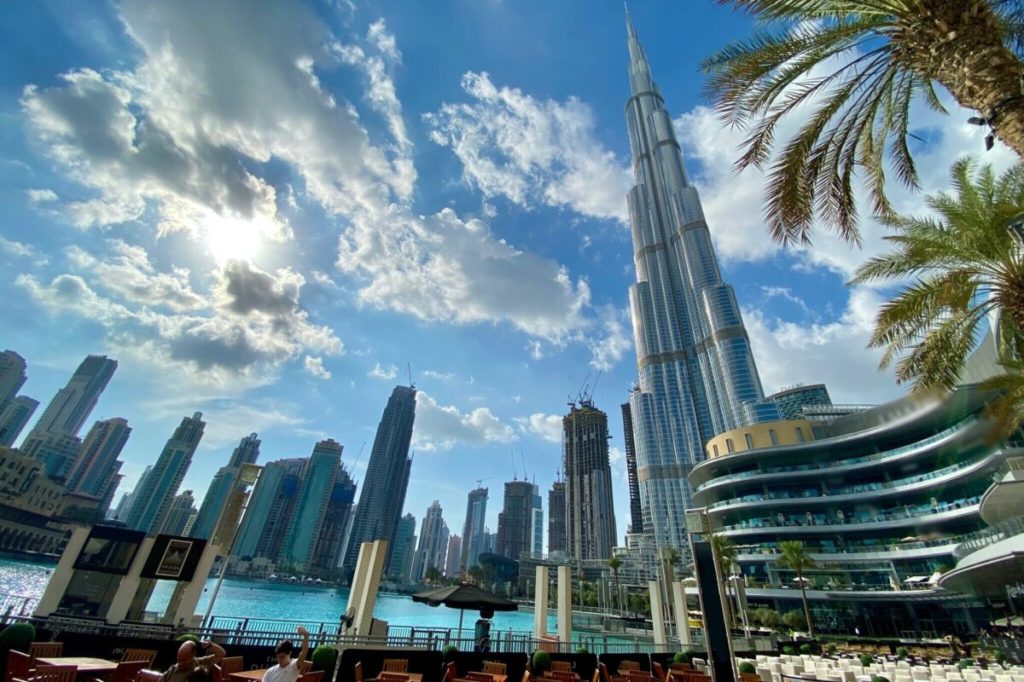
Dubai's tourism sector received a $400 million government aid package, but hospitality operators warn the financial relief masks a deeper crisis. Summer occupancy rates have plummeted to just 10% across many hotels, well below sustainable levels.
The Emirates government announced fee exemptions targeting hotels, tour operators, and attractions. These concessions reduce operational costs for businesses struggling through the slowdown. Yet industry insiders say the timing creates a false sense of security heading into the scorching summer months when Dubai typically sees minimal leisure travel anyway.
"Fee waivers help with cash flow, but they don't fill rooms," one operator told Skift. Hotels across Dubai's major areas, from Downtown Dubai to the Palm Jumeirah, report drastically reduced bookings. Three-star properties suffer most acutely, caught between budget travelers seeking cheaper alternatives and luxury seekers who remain relatively resilient.
The crisis stems from multiple pressures. Regional instability has deterred some international visitors. Competition from other Gulf destinations intensifies as Riyadh invests heavily in tourism infrastructure. Domestic travel patterns have shifted as remote work allows travelers to extend stays elsewhere rather than returning home frequently.
Summer presents a particular challenge. Temperatures regularly exceed 50 degrees Celsius (122 Fahrenheit), making outdoor activities nearly impossible. Tourism typically flatlines during these months, and 2024 shows no signs of reversing that trend. Hotels normally operate at single-digit occupancy during June through August anyway, compounding the current slump.
Operators debate whether fee relief truly matters without demand recovery. Some point toward autumn as critical. If September through November bookings don't improve substantially, more significant interventions may become necessary. Tour operators report canceled group bookings extending into fall.
The government's $400 million package also includes subsidized marketing campaigns aimed at attracting visitors during traditionally slow periods. Yet marketing campaigns cannot overcome regional