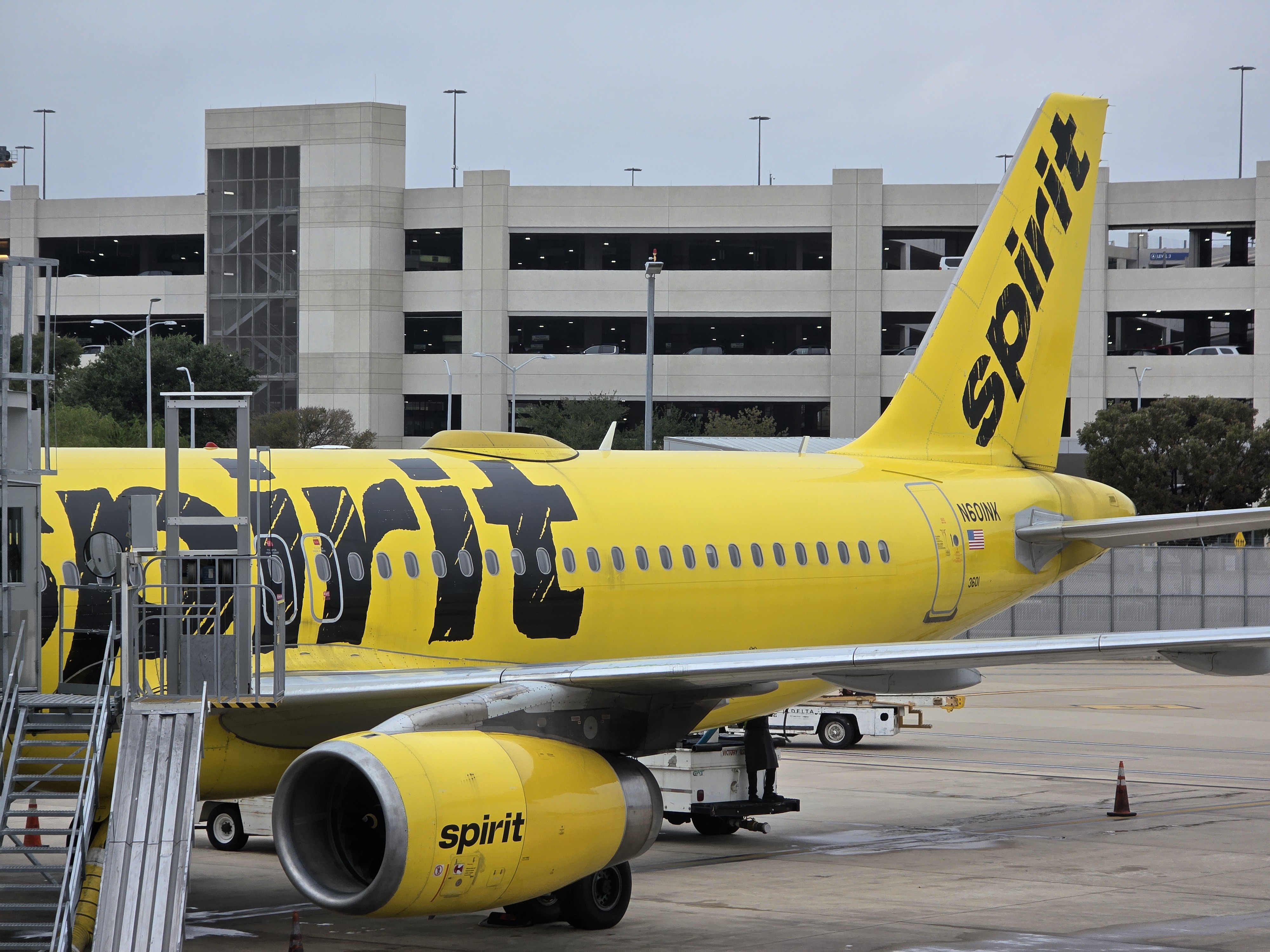
Spirit Airlines operated on fundamentally broken economics that made its collapse inevitable, new financial filings reveal. The ultra-low-cost carrier spent $1.61 for every dollar of revenue it generated, losing $157 million operationally in March alone. Even if fuel costs vanished entirely, Spirit would have remained deeply unprofitable.
The numbers tell a stark story. Spirit's cost structure became unsustainable as fuel prices spiked and labor agreements increased expenses. The airline's business model, built on rock-bottom fares and ancillary revenue from baggage and seat fees, couldn't generate enough cash to cover basic operations. Competitors like Southwest and Alaska Airlines operated with far healthier margins, though they too faced pressures from rising jet fuel costs.
Spirit's March report exposed why no rescue was possible. The airline would have needed to cut costs by roughly 40 percent or double its revenue simultaneously to reach profitability. Neither outcome proved realistic. The carrier had already stripped its product to bare essentials: no frills, minimal staff, aging aircraft, and constant operational delays that damaged its reputation.
The failed merger with Frontier Airlines in 2022 sealed Spirit's fate. That combination would have created an ultra-low-cost carrier with combined scale and efficiency gains. When regulators blocked the deal, citing antitrust concerns, Spirit faced mounting debt and deteriorating cash reserves with no path forward.
Spirit's demise reshapes the budget airline landscape. Customers accustomed to $29 cross-country fares now turn to Southwest, Frontier, and Allegiant Air for bargain-basement pricing. Those carriers operate healthier models with better cost controls and stronger balance sheets. Travel planning changes too. Budget flyers must now book further in advance through remaining discount carriers, which have raised some base fares to capitalize on reduced competition.
The collapse demonstrates that airline economics demand discipline.