# Summary
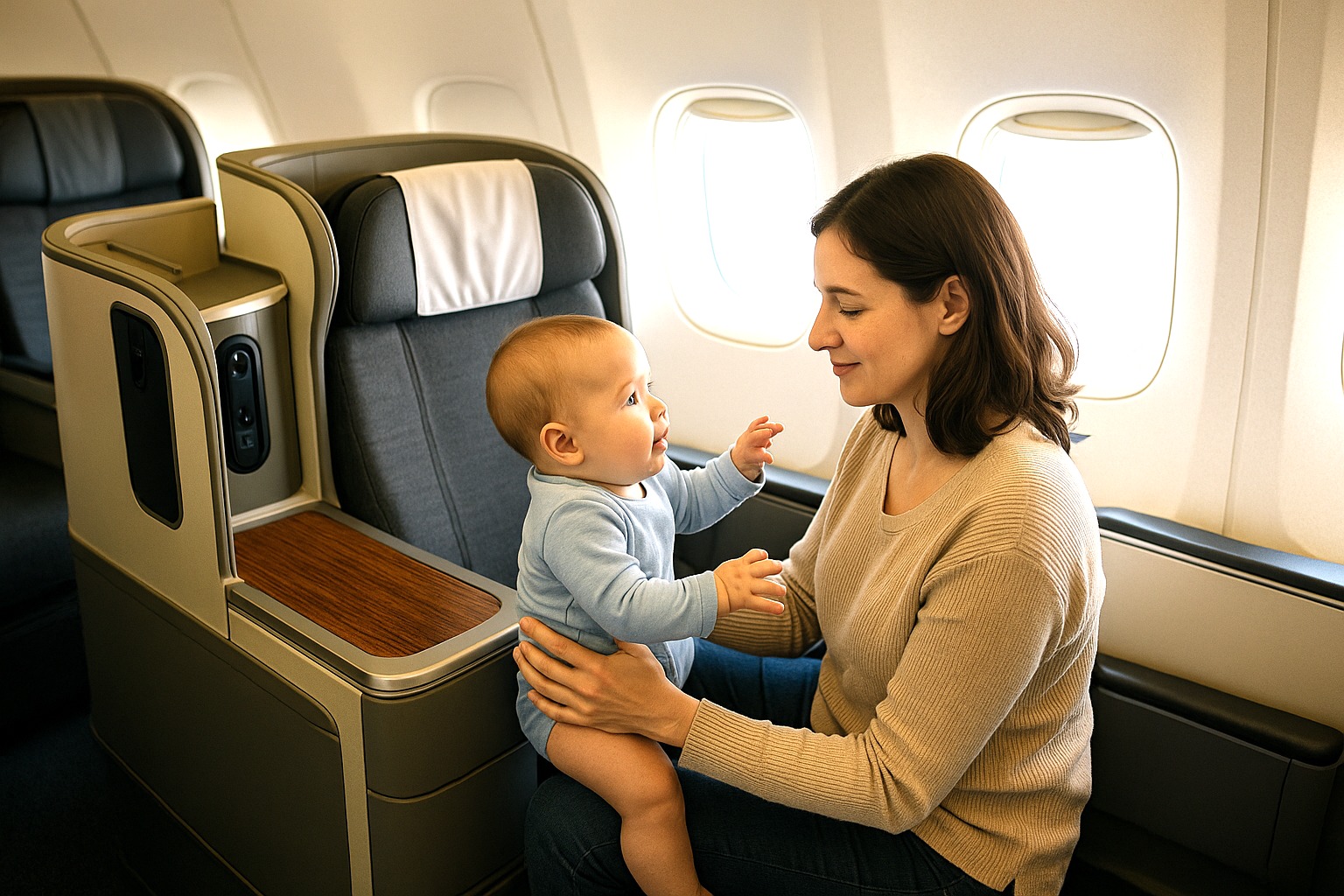
A mother's viral stance on avoiding first class and private aviation with her children has reignited the debate over parenting philosophy and air travel. The woman argues that premium cabin experiences spoil children, yet she dismisses the counterargument that flying coach automatically builds character.
Her position reflects a growing tension among affluent families navigating privilege and parenting values. Budget airlines and economy seating have become flashpoints in this conversation, with some parents believing that struggling through cramped middle seats teaches resilience. Others argue that comfort matters less than parental modeling and intentional lessons about gratitude.
The debate touches on real travel economics. First class fares on major US carriers like American, Delta, and United often cost 5-10 times economy prices. For families, that differential compounds quickly across multiple passengers. Budget carriers like Southwest and Spirit force different trade-offs entirely, prioritizing bare-bones fares over seat width or amenities.
Industry observers note this reflects broader uncertainty about how travel shapes childhood. Some luxury hotels and resorts market "family experiences" emphasizing both comfort and values-based activities. Others lean into challenge-based travel that deliberately strips away conveniences.
The extreme version of this mother's argument does appear satirical, suggesting that economy class is the only morally acceptable option regardless of family circumstances. Most parenting experts reject this binary entirely. They note that a child's character develops through parental guidance, expectations, and how families discuss privilege, not cabin class assignment.
What matters more: whether parents use travel intentionally. A child flying first class whose parents emphasize gratitude learns differently than one who absorbs entitlement. Similarly, a child in economy who's never questioned privilege may miss the opportunity for reflection that coach flying might otherwise provide.
The conversation ultimately reveals less about cabin classes and more about parental anxiety in an era of visible inequality.