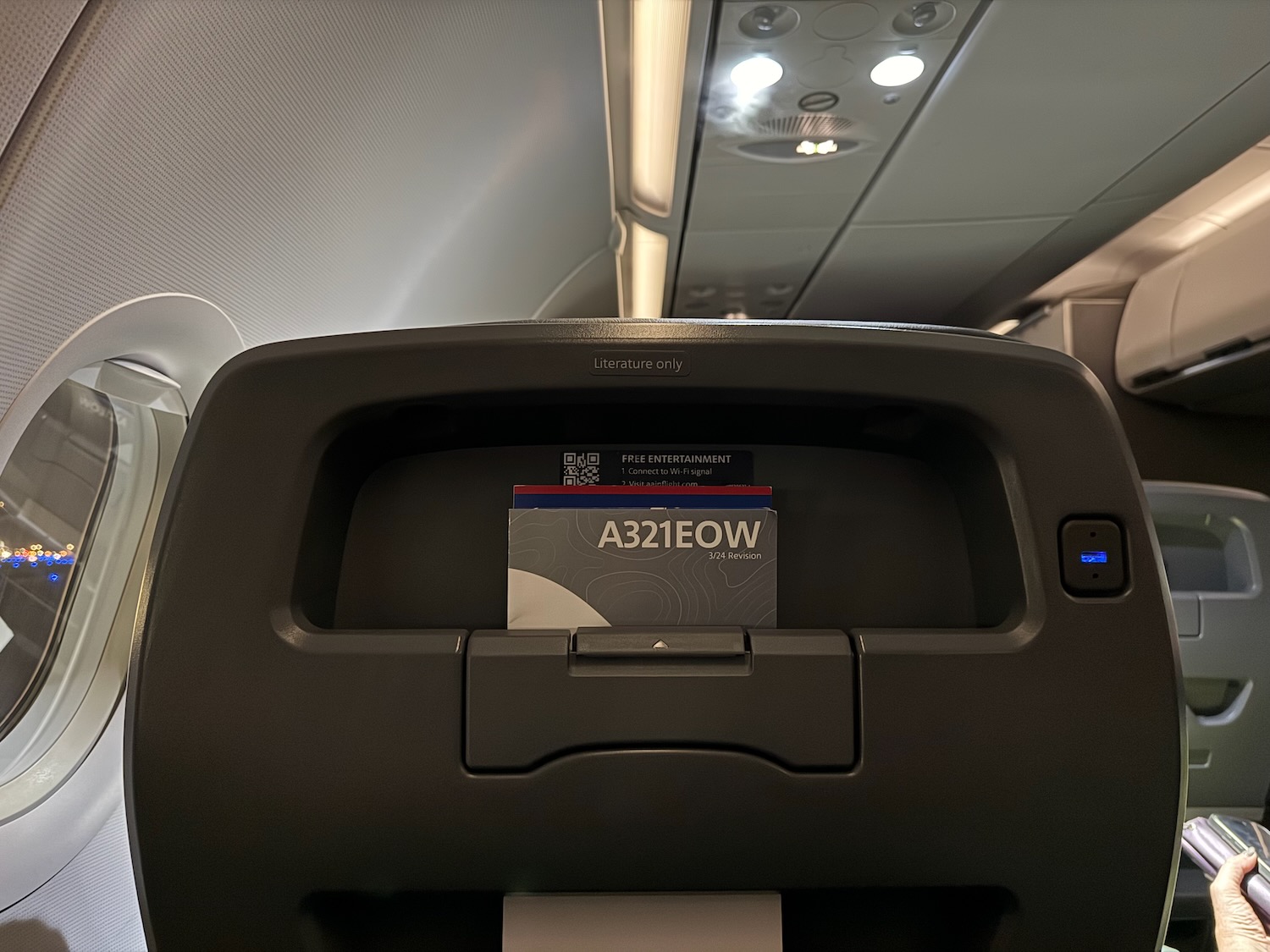
A Chicago-based traveler's American Airlines first class experience from O'Hare turned uncomfortable when their seatmate spent the flight heavily intoxicated. The passenger, dubbed "Bloody Mary Karen" by the writer, consumed multiple cocktails during the evening flight to Southern California and allegedly became increasingly problematic as the flight progressed.
The incident highlights an ongoing challenge for premium cabin crews managing disruptive passengers. First class cabins on major carriers like American Airlines charge premium prices, often $500 to $3,000+ per seat depending on route and timing, creating expectations of a peaceful, refined travel environment. When passengers arrive already intoxicated or drink excessively during flight, they can transform the experience for neighboring travelers who've paid top dollar for comfort and quiet.
The writer's account underscores growing tension in air travel between passenger behavior and airline responsibility. Flight attendants walk a careful line enforcing alcohol service policies without escalating situations. American Airlines, like most major carriers, has protocols limiting alcohol service to visibly intoxicated passengers, though enforcement varies by crew and flight conditions.
This situation represents a broader trend affecting premium cabin satisfaction. Surveys consistently show that passenger behavior ranks among top complaints from first class and business class flyers. The confined space, longer flight durations, and proximity to intoxicated seatmates create heightened frustration compared to economy cabins where space naturally separates passengers.
For travelers booking first class, this anecdote serves as a reminder that premium pricing cannot guarantee a problem-free flight. The experience depends partly on fellow passengers and crew response to disruptions. Travelers booking evening or late-night flights, particularly on routes like Chicago to California where passengers may have visited bars before boarding, face slightly higher odds of encountering intoxicated seatmates.
The incident raises questions about whether airlines should implement stricter pre-boarding alcohol monitoring or enhanced crew training for managing dis